




Summit program 2025
To what you can look forward on April 10, 2025Registration
Morning: Let’s talk about the citizen and sustainability
The opening of the summit, the opening speech of the organizers and the expert guarantor





The Future of ESG in the EU: EU Legislation Reform and Impacts on Sustainability Reporting
In February 2025, the European Commission presented proposals for changes to key legislation for ESG management and reporting in companies: CSRD (Corporate Sustainability Reporting Directive), Taxonomy of Sustainable Activities, and CSDDD (Corporate Sustainability Due Diligence Directive). Filip Gregor, who is the chief ESG expert, head of the Brussels branch of Frank Bold, and a member of the EFRAG Sustainability Reporting Board, will present the current situation around the so-called Omnibus, the European Commission’s plan to fundamentally simplify EU ESG legislation. He will offer the audience a unique insight into the current situation while presenting an overview of EU legislation or the context and problems of its implementation, especially with regard to measuring and reporting the carbon footprint and decarbonization plans.

Opening discussion: The future of the European Green Deal and its impact on the economies of Czechia and Slovakia
The opening discussion at the Czech & Slovak Sustainability Summit 2025 will be focused on sustainability, the role of the European Union, and its impact on local policies and politics in the Czech and Slovak Republics. The view from the European Parliament will be provided Veronika Cifrová Ostrihoňová, who represents Slovakia in the Renew Europe group. The standpoint of industry will be represented Filip Dvořák, the vice president of the Chamber of Commerce of the Czech Republic. The two will be joined by Filip Gregor from Frank Bold after his opening presentation on the current situation from the viewpoint of one of the primary corporate advisors in Brussels.
The discussion will be moderated by Veronika Jonášová of the economic portal e15.
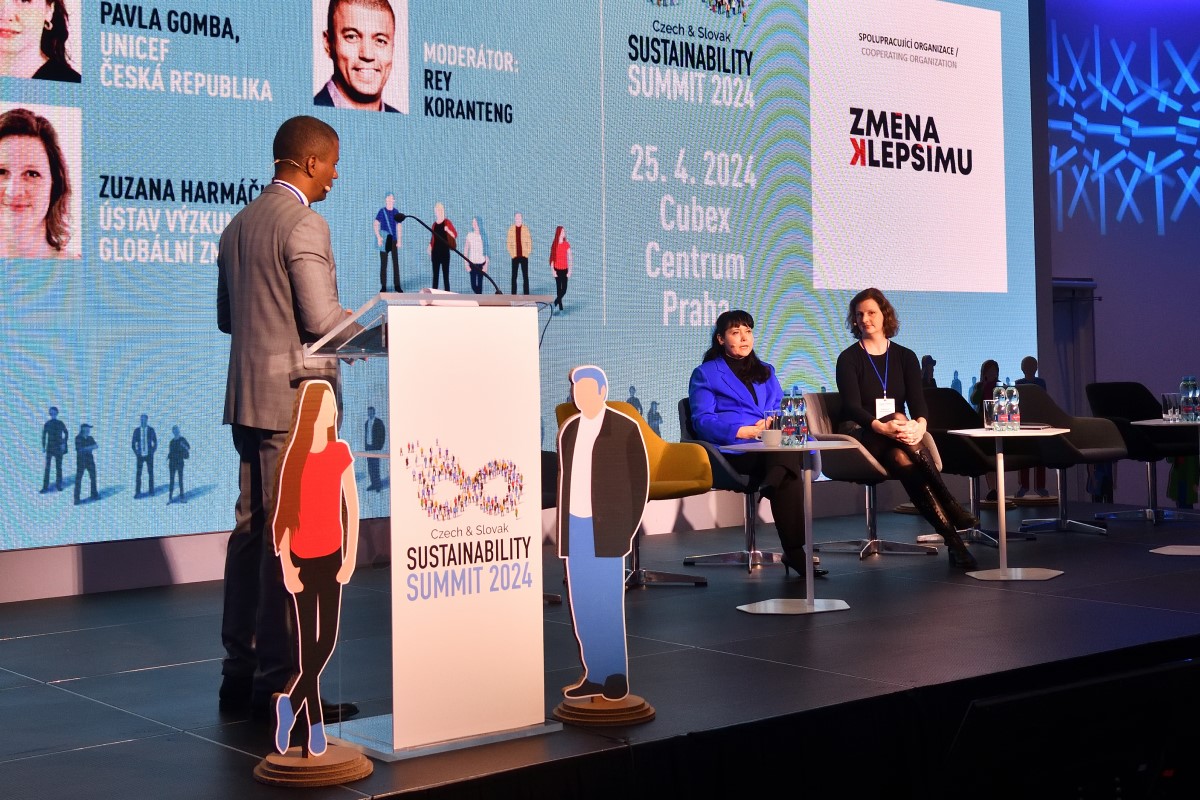



Exclusive research: How citizens view sustainability
In Europe and other democratic states, citizens shape policy through their elected representatives. Therefore, discussions on the future of sustainable policies must be based on an understanding of public attitudes. Therefore, the Ipsos agency, in cooperation with Sustainability Summit, conducted an exclusive survey of citizens’ attitudes towards sustainability issues. The research, carried out just before the summit, also incorporates global data from Ipsos’ international network. The findings will be presented during the summit’s joint morning program.

Panel discussion: Are we communicating our sustainability activities with citizens correctly?
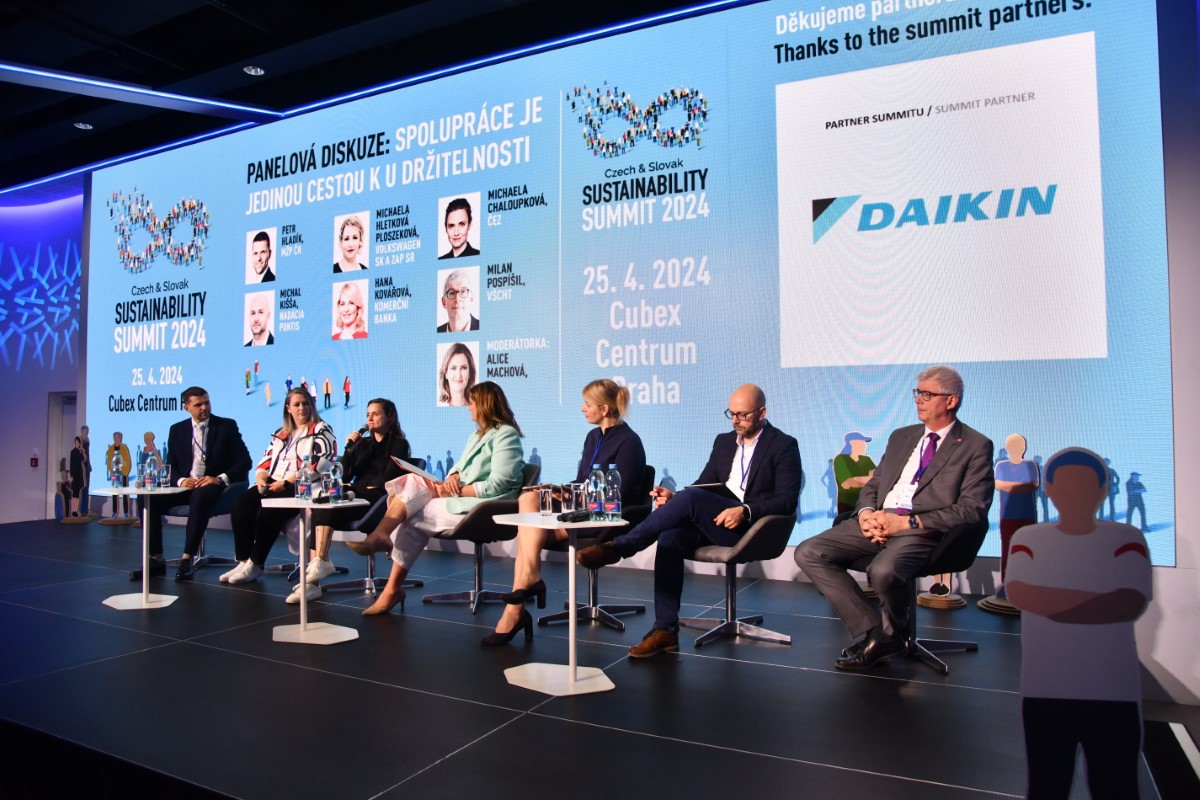
Citizens are not only voters but also customers and employees of companies operating on the Czech and Slovak markets. While many companies try to remain apolitical – and for good reason – they still retain considerable influence over their customers and employees, especially in the area of sustainability. How do companies set their sustainability strategies and how do they effectively communicate them to the public? This will be the topic of the morning panel discussion, led by the well-known moderator and “ambassador” of the Sustainability Summit, Rey Koranteng. He will be joined on the podium by representatives of companies from various sectors of the economy – retail, manufacturing, services, FMCG – as well as the Minister of the Environment, Petr Hladík.



Lunch break
Afternoon: Let’s get to work
Afternoon stages
The afternoon block will feature three main stages featuring presentations, case studies, and panel discussions focused on various aspects of sustainability.
- The Earth Stage will be focused on sustainability issues mainly related to the environment: decarbonization, electromobility, protecting of Earth’s natural resources, sustainable packaging, etc.
- The Life Stage will be focused both on the social aspects of sustainability and on biodiversity.
- The Science Stage will be dedicated to the scientific side of sustainability, as a better understanding of sustainable science is critical for advancing sustainability in business.
The three concurrent stages will be overseen by professional moderators whose task will be to facilitate discussion between the presenters on stage and the sustainability professionals in the audience.

Afternoon workshops
The Sustainability Summit will feature new interactive workshops that will offer efficient and compact two-hour blocks. Each workshop will be limited to 30 participants (equivalent to a standard class size) to ensure better interaction between sustainability experts and participants. There will be a total of four afternoon workshops, two running concurrently between 13:00 and 15:00 and another two from 15:30 to 17:30. The topics of the workshops will be varied, and hot issues such as ESG reporting, marketing and communication of sustainability, and sustainable finance will certainly be on offer. As a bonus, there will also be a focus group on the challenges of implementing ESRS for Czech companies, which will allow participants not only to learn about preliminary results, but also to share the experiences of their companies.

Afternoon coffee break
Late afternoon: Best practices
Case studies of projects that really work
In this late-afternoon block, you will hear the details of 10 sustainable projects that have had proven positive results on the environment or society. In short, you will see sustainability in practice. The projects will be presented by the very people who implemented the projects, which will guarantee the most practical and informative presentation possible. And don’t worry about greenwashing. The presented projects are the top projects chosen by the Scientific Council of the Sustainability Summit, which demands that proof and concrete data are provided. These projects are the truly best sustainable projects implemented on the Czech and Slovak markets over the past year. The goal of the best practices block is straightforward: to show that sustainability in business is a reality and to inspire other companies and organizations to implement similar projects.
This block will be moderated by Rey Koranteng. Professional questions will be asked by Prof. Vladimír Kočí.
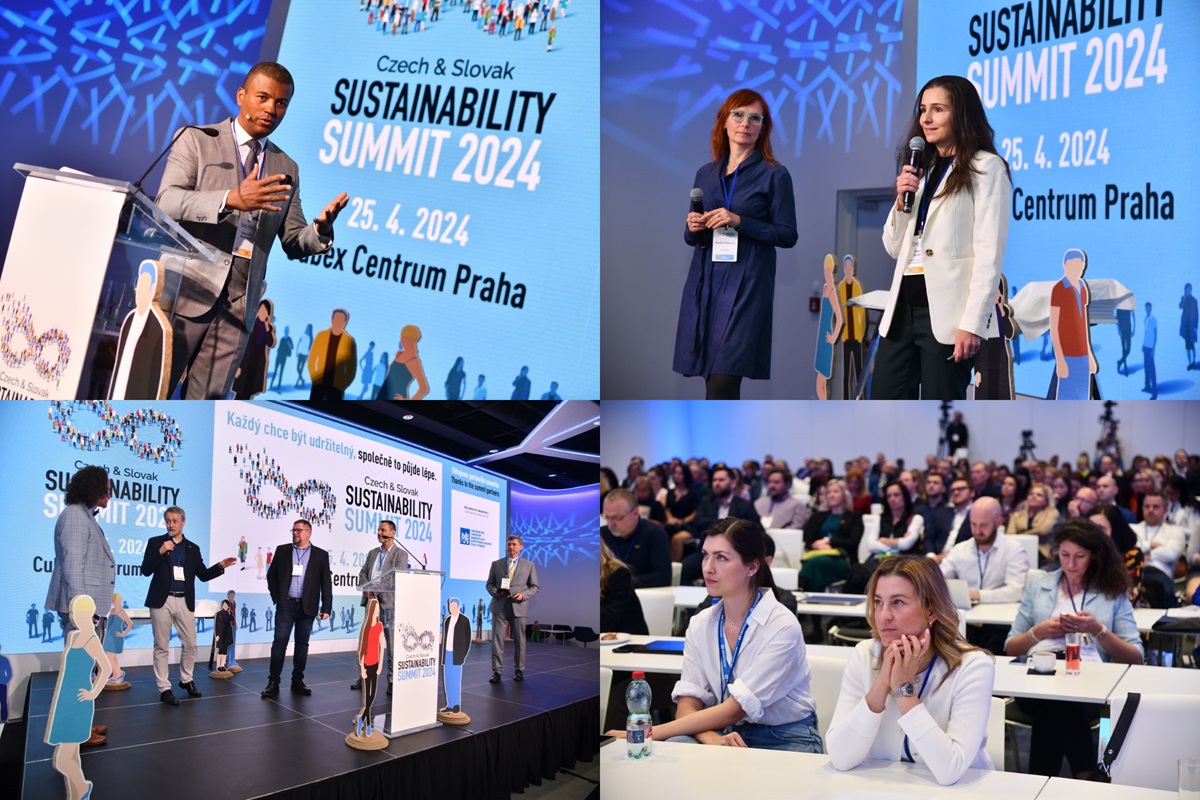
Awarding of the best projects in the field of sustainability
Implementing a successful sustainability project – one that actually achieves proven results – takes time, energy and commitment. And in the end, there should be not only a benefit for the environment or society, but also recognition for those who implemented the project. For that reason, we will be awarding the projects chosen as the best by our Scientific Council the prestigious Sustainability Star 2025 award in recognition of their hard work and dedication.
The ceremony will be moderated by Rey Koranteng.

Evening program
CASE STUDIES OF PROJECTS THAT REALLY WORK
Opening Words: Case Studies of Projects That Really Work
We cannot move towards a more sustainable future simply by talking about what we need to do and complaining about what is being done or not being done. We need to take concrete steps. And many companies and organizations are already taking measures that have a real impact. The primary goal of the Czech & Slovak Sustainability Summit is to provide a platform for presenting successful projects so that other companies are motivated to take similar actions. The best way to do this is to share positive experiences.
In this block, you will hear details about 10 sustainable projects that have demonstrable positive impacts on the environment or society. In short, you will see sustainability in practice. Don’t be afraid of greenwashing. The projects presented are the best ones selected by the summit’s Scientific Council, which requires the submission of evidence and concrete data. These ideas are truly the best sustainable projects implemented on the Czech and Slovak markets over the past year. And because they are remarkable, they will not only be presented by the very people who worked on them, but these people and their projects will receive the prestigious Sustainability Star award in recognition of their hard work and dedication.
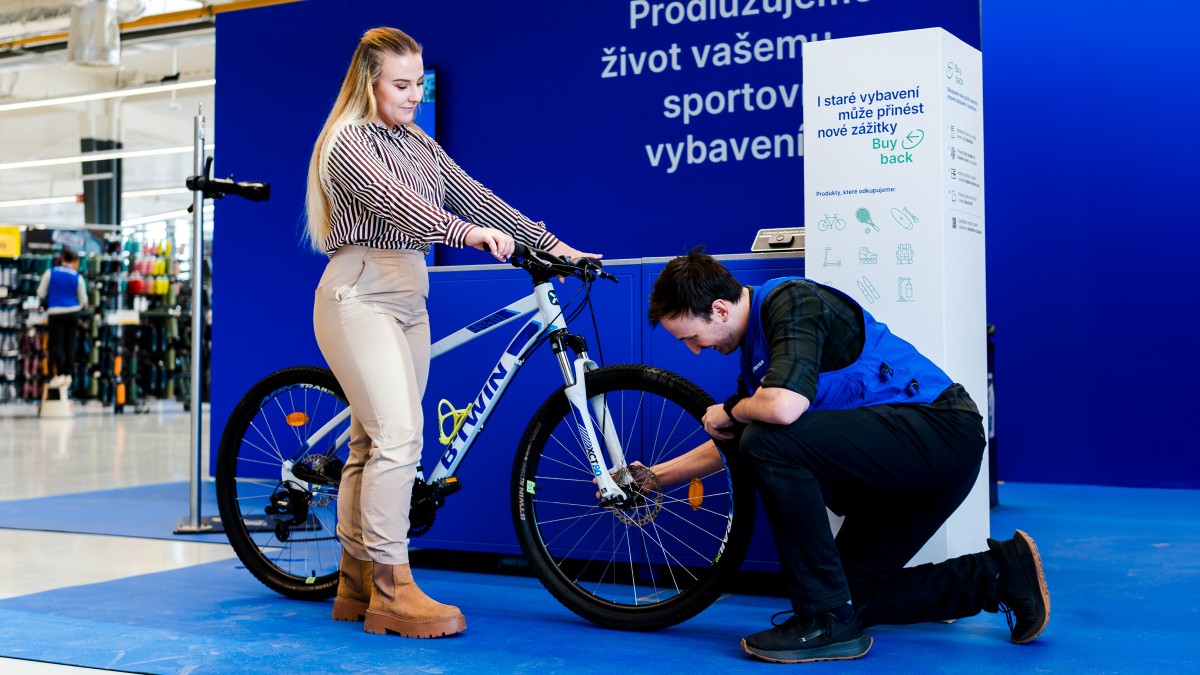
Decathlon Česká republika: Buy back – Even old equipment can bring new experiences
The Buy back service, which was launched in the Czech Republic in 2023, represents a new approach to the use of sports equipment that customers no longer use. It is a solution for used sports equipment that is still functional and safe, but which only bears signs of use from the original athletes. Thanks to this service, products that would otherwise end up unused can get a second chance and return to circulation. As part of the Buy back service, more than 600 products from several sports categories were bought back in 2023. This growth continued in 2024, when more than 4,000 products from a total of nine sports categories were returned to offer to athletes who were able to buy them at more favorable prices. The Buy back service not only contributes to sustainability and the circular economy, but it also offers customers a practical alternative to purchasing new products. The service complements the company’s other services (Repair & maintenance, Rent and Second life) and contributes significantly to its circular business model.


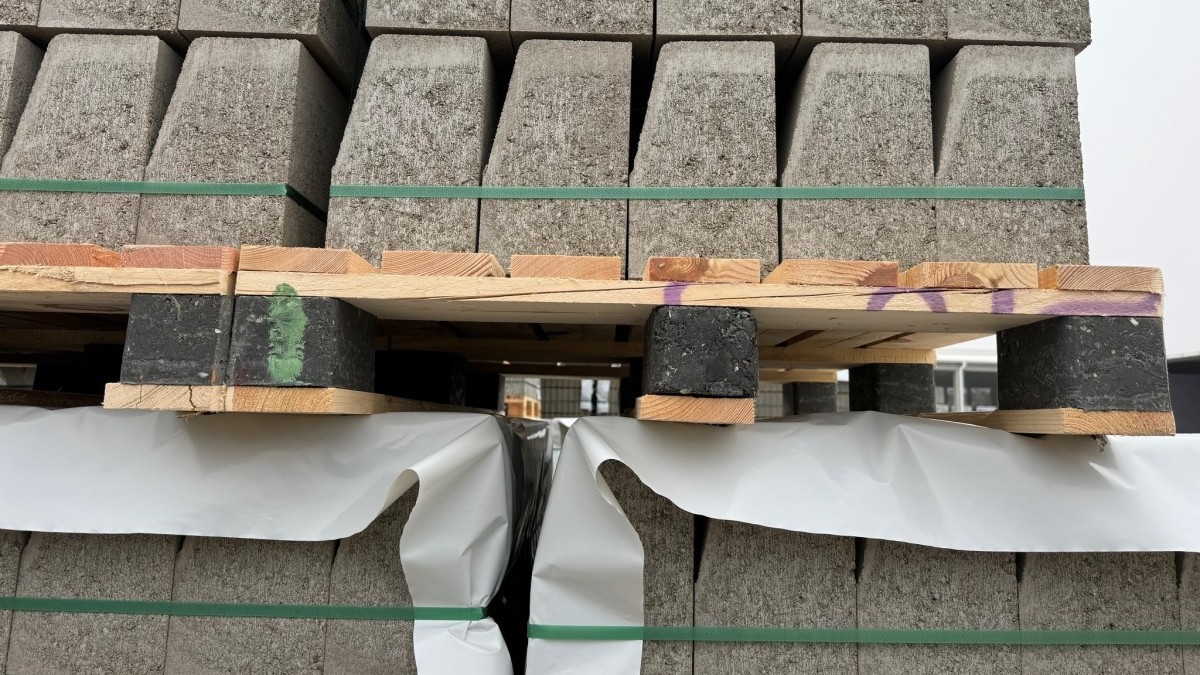
FLEXIPAL: Hybrid Pallets – Evolution of the Pallet, Revolution in Logistics
The FLEXIPAL project provides a solution for using mixed plastic waste (rejects) to produce pallet blocks, thereby reducing the amount of waste ending up in incinerators. These recyclable elements replace wooden components in pallets, thereby extending their lifespan and increasing their durability. The company processes 5,000 tons of plastic waste annually. The hybrid pallet is stronger than a regular wooden pallet, resists water seepage, and has more than double the lifespan. Used plastic blocks can be recycled repeatedly – undamaged ones can be reused, and damaged ones are ground up and reshaped into new ones. Currently, hybrid pallets save 30% of wood, which corresponds to 15,000 m³ per year in current production. The long-term goal is to fully replace wooden components with recycled plastic. Production is carried out using electricity and waste heat from a biogas station. Within five years, the capacity will increase to 50,000 tons of processed waste per year, while approximately 200,000 tons are generated annually in the Czech Republic.

IKEA Czech Republic: Local zero-emission last-mile delivery across the Czech Republic
IKEA Czech Republic has set the goal of transforming its delivery and last-mile fulfillment network throughout the Czech Republic by transitioning to electric vehicles (EVs). The first milestone was covering Prague. After confirming its feasibility, the project was expanded to include other regions where IKEA and its logistics partner, Hral, operate. These include Liberec, České Budějovice, Hradec Králové, Plzeň, Ostrava, and Brno, with plans to cover Zlín, Olomouc, Ústí nad Labem, and Jihlava by August 2025. This transition required the implementation of charging infrastructure, new operational processes, driver training, and a reorganization of daily operations in collaboration with Hral. Currently, 82% of all home deliveries are made using electric vehicles, compared to 37% the previous year when only Prague was covered. The project aims to demonstrate that the shift to electric mobility is achievable not only in major cities but also in rural areas. IKEA plans to complete this process by ensuring that all deliveries are made using electric vehicles by August 2025.


Jednota Consumer Cooperative in Kaplice: Container Grocery Store 24/7
The project addresses the insufficient availability of groceries on the campus of the University of South Bohemia in České Budějovice. It features a modular wooden structure that was delivered to the site as a preassembled unit and anchored onto concrete footings. This initiative serves as a pilot project for a sustainable, energy-efficient wooden building that is suitable for installation in rural and urban environments, as well as corporate campuses, requiring only a connection to the electrical grid. The grocery store on the University of South Bohemia campus is fully equipped with sustainable electronic price tags. Emphasis is placed on the collaboration between the store operator and the university in ensuring grocery availability on campus, showcasing technological innovations, and integrating commercial practice with data utilization for academic purposes. Students, employees, and visitors to the campus have access to 580 product types, totaling 9,500 individual items, all within a retail space of just 25 m². Moreover, the store operates in a fully automated 24/7 mode, completely without staff. Currently, approximately 3,000 customers independently complete their purchases at the store each month. Operational and logistical processes are designed to be seamlessly interconnected, minimizing the need for physical personnel involvement.


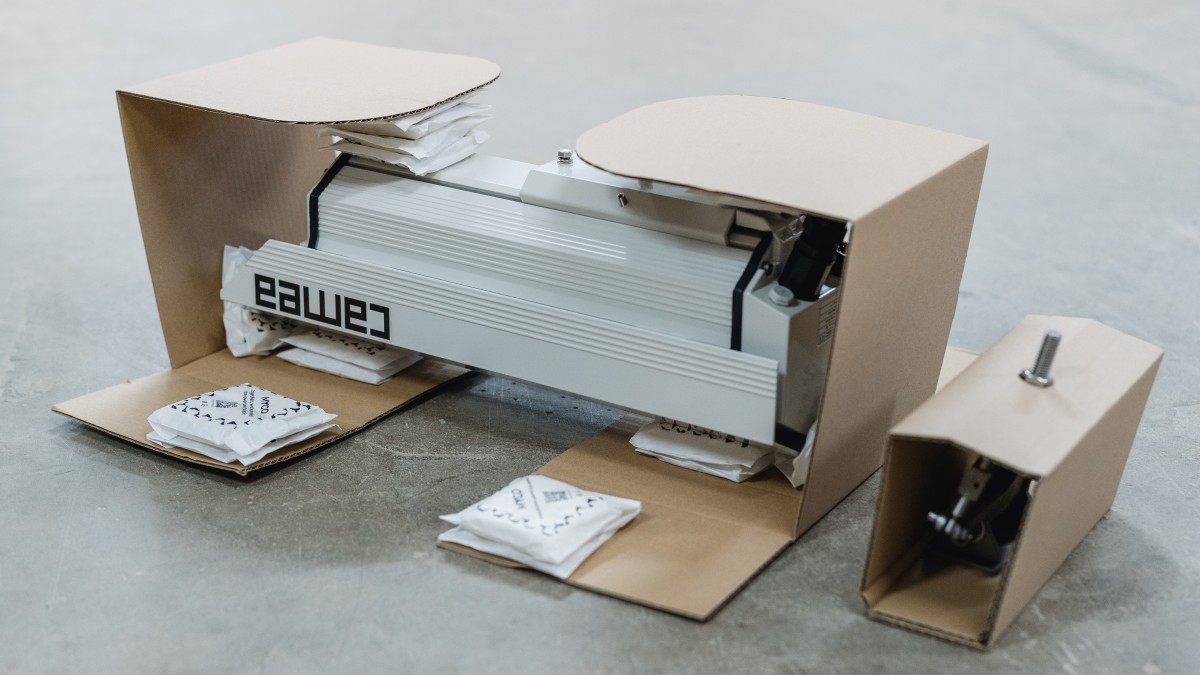
Myco & CAMEA: Transition to sustainable packaging solution Myco 4Pack
CAMEA, a producer of specialized electronic devices in small series, sought an affordable, tailor-made packaging solution that would also meet sustainability criteria. It approached Myco, which proposed a complete packaging solution based on the Myco 4Pack system. This system uses paper pads filled with organic waste material (sawdust) that is infested with Reishi mycelium. This causes the originally loose material to bond together to form a biocomposite that is plastically deformed, thus providing the necessary protection against impacts and shocks. These protective pads, which replace commonly used plastic foams, are applied to a cardboard blank designed to the product’s specifications. The entire package is thus completely plastic-free, easy to store, light to handle, and meets the requirements for cleanliness and aesthetics of the solution. The current solution replaced 0.12 m³ of LDPE per sensor with 0.03 m³ of biodegradable material and paper. The price of the package has remained the same, but CAMEA now receives a complete package, which saves it the cost of the work it previously devoted to producing plastic fillings. CAMEA currently uses the Myco 4Pack system for most of its production.


Nesnězeno & PENNY: Sustainable retail in practice
In the European Union, food worth 143 billion euros is thrown away every year, causing up to 6% of greenhouse gas emissions. The average Czech family throws away food worth approximately CZK 14,000 per year. The joint project between the Nesnězeno application and the PENNY retail chain reduces food waste, supports sustainability, and combines ecology with efficient business. The project offers an innovative solution to food waste via the Nesnězeno app. Customers can buy packages of food that are close to expiration for at least 50% of the original price, choose a PENNY store, and pick up the package there. This approach reduces food waste and supports sustainable consumption. Since the expansion in March 2024, over CZK 40 million worth of food has been saved and over 20,000 customers have participated. The number of participating stores has increased from 50 to 200. Sales success remains high – over 90%. This trend confirms that sustainable business is not only possible, but also effective, beneficial, and scalable.


Primirest – zařízení školního stravování: Self-service waste-free school restaurant Primirest in Tanvald
The self-service waste-free school restaurant Primirest in Tanvald is a completely unique project on the local market. Its aims are to increase comfort, i.e., eliminate queues, offer a more varied offer, where the diner freely decides on his or her portion, while at the same time bringing a significant reduction in waste and a more efficient use of raw materials. It connects the efficiency and long-term sustainability of the gastronomic operation with understandable education of the diners to a responsible approach to eating and not wasting food. The largest school restaurant in this system serves up to 500 pupils, and in total the Primirest school kitchen in Tanvald provides lunches for 800 pupils from three schools every day, as well as for the public at three distribution points. Lunches are prepared only on the basis of a binding order from the diners, with an emphasis on the consistent use of all raw materials and minimization of food waste during production. Lunches are served in a self-service format where children help themselves to portions – as many as they actually eat. Unserved meals are donated transparently through the Save Food organization to the local community and people in need, while leftovers from plates and bio-waste from the kitchen are processed in an electric composter. High-quality compost is used to cultivate the school’s greenery. The entire system teaches diners a responsible approach to eating – go ahead and have seconds, but never throw anything away.


Rohlik Group: Food Upcycling
Rohlik Group is the first retail chain on the Czech market to offer upcycled products as a separate category. With this step, it is taking the lead in the fight against food waste and supporting a more sustainable food system. The environmental impact is significant, especially thanks to the reduction of food waste across the entire supply chain – from primary production (25%) to processing (23.6%) to distribution (5.1%). Although the original waste raw materials are transformed, the nutritional value is preserved, which ensures the high quality of the final products. At the same time, upcycling opens new economic opportunities. The transformation of by-products into commercially attractive goods not only reduces costs throughout the food chain, but it also responds to the growing consumer demand for sustainable alternatives. Connecting producers plays a key role here – waste from one company can become a valuable raw material for another. This model brings new market opportunities to smaller suppliers and motivates them to invest in innovative solutions for reducing food waste. Upcycling raw materials helps manufacturers reduce costs and use available resources more efficiently.



Skanska: From Merkuria to Mercury – The Path to Sustainable Demolition
Construction waste accounts for up to 40% of the world’s waste, with most of it ending up in landfills. This project – the demolition of the brutalist Merkuria building in Prague-Holešovice – was the first in the Czech Republic, and for that matter in all of Central Europe, to transform demolition into sustainable “remolition”. Of the total 18,626 tons, 97% of the materials were recycled, significantly exceeding the legislative requirement of 70%. (The remaining 3% were materials that are now banned or contain hazardous additives that made recycling impossible.) Concrete (10,911 tons, 58%) was partly used in the production of new concrete, while metals (1,013 tons, 5%), glass (95 tons), and wood (57 tons) also found other uses. The company aims to maximize the use of recycled materials in the construction of the new Mercury building, thereby closing the circular material cycle. The remolition reduced CO₂ emissions by 5,967.9 tons (equivalent to the construction of a 65-unit apartment building), while the costs remained comparable to those of traditional demolition. The project inspired other companies to approach Skanska for education and collaboration. Thanks to its partners, Skanska set up a process that can be repeated in other projects. It showed that a sustainable approach to construction is not only possible, but it also makes economic sense.


Škoda Auto: “From bumper to bumper” – Bumpers from old bumpers
The circular economy project “From bumper to bumper” focuses on sourcing, testing, and using of 100% recycled material from old bumpers at the end of their life in the production of new bumpers for cars under development. Previously, bumpers were usually burned for energy at the end of their useful life. Škoda Auto has created a closed material loop concept, where 100% recycled material from these old bumpers is used to produce new parts. This process includes the collection and selection of suitable material sources, logistics, preparation, mechanical crushing, cleaning of old paint, granulate production, production of a new part, and testing. It was the first car manufacturer to confirm the technical feasibility of reusing material from old car bumpers as the sole source for producing new bumpers. Demanding functional tests of bumpers made from 100% recycled material have shown that their mechanical properties meet the requirements for the level of standard material (so-called virgin material). The carbon footprint of using 100% recycled material is approximately a quarter lower than that of using virgin material. With this project, Škoda Auto tested the cooperation and defined the necessary steps within the value chain. The aim is to implement this concept in series production for new models being prepared.



AFTERNOON WORKSHOPS
Workshop: The Czech citizens in data – What are their opinions, and how to reach them?
Without public involvement, a complex challenge like the transformation to a low-carbon economy cannot be successful. That is why it is important to know the true opinions of the Czech public: where people are ready for further steps in decarbonization, where they call for greater activity, where they are fumbling, where they are being pushed, and where they strongly reject the proposed solutions.
The representative public opinion survey Czech Climate 2024 brings an extensive package of findings on how the Czech public perceives climate protection or, for example, the Green Deal. It follows on from a series of previous surveys, with the results of the current survey based on a representative survey of 2,299 respondents from all corners of the Czech Republic. What important things does the research show? In what context should the results be read? And what do they imply for practice? We will discuss this together at our meeting.
Organizational details:
- The workshop format will be highly interactive with plenty of space to ask questions and discuss with the organizers.
- To ensure interactivity, the workshop capacity will be limited to 30 people.
- Those who have already registered for the summit will be sent a separate invitation to register for the workshop approximately one week before the event.
- Those who register for the summit earlier will be given higher priority in case the workshop capacity is full.


Workshop: Insights from double materiality assessments and good practices from the first regulated reports
The ESG workshop will be moderated by David Janků and Marie Machálková, ESG consultants at Frank Bold Advisory. The workshop will address the topic of how to successfully manage sustainability reporting according to the amendment to the CSRD (Corporate Sustainability Reporting Directive) and the ESRS (European Sustainability Reporting Standards). Many companies have already begun to actively prepare for the strict obligation to report for 2025 (the second wave of sustainability reporting, which applies to most mandatory companies) during 2023 and especially 2024.
During the workshop, the moderators will share with you their practical experience in supporting these companies and will open a discussion on the following points:
- Key findings from double materiality assessments conducted in 2024 and how to continuously revise the results of the assessments.
- How to move from double materiality assessments to defining the data that needs to be collected for a sustainability report.
- Presentation of good practices from the first public ESG reports for 2024, which are already prepared in accordance with the CSRD and ESRS regulations, from several different sectors.
People who are involved in sustainability reporting within their companies, are preparing to do so, or will require information from their business partners that should appear in sustainability reports are invited to participate in the workshop.
Organizational details:
- The workshop format will be highly interactive with plenty of space to ask questions and discuss with the organizers.
- To ensure interactivity, the workshop capacity will be limited to 30 people.
- Those who have already registered for the summit will be sent a separate invitation to register for the workshop approximately one week before the event.
- Those who register for the summit earlier will be given higher priority in case the workshop capacity is full.


Workshop: CSRD in Action – Mastering ESG Reporting for 2025 and Beyond
As the first wave of companies navigate the Corporate Sustainability Reporting Directive (CSRD), what can we learn from their experience in 2025? This workshop delves into the challenges, insights, and best practices of ESG reporting, offering practical guidance for organizations preparing for compliance.
Join Tangelo Software for an interactive session featuring a fireside chat with Valerie Novotná, the head of accounting and CSRD lead at Česká spořitelna. Valerie will share first-hand insights from her company’s CSRD reporting journey, highlighting key lessons learned, pitfalls to avoid, and strategies for streamlining the process.
The workshop will also provide actionable guidance on ESG reporting best practices, covering for example:
- Navigating CSRD requirements and key challenges
- Integrating sustainability data into financial reporting
- Streamlining ESG disclosures with technology
- Addressing assurance and audit-readiness concerns
Whether your company is in the early stages of CSRD preparation or is refining its ESG reporting strategy, this session will equip you with valuable know how to ensure compliance and enhance transparency.
Organizational details:
- The workshop format will be highly interactive with plenty of space to ask questions and discuss with the organizers.
- To ensure interactivity, the workshop capacity will be limited to 30 people.
- Those who have already registered for the summit will be sent a separate invitation to register for the workshop approximately one week before the event.
- Those who register for the summit earlier will be given higher priority in case the workshop capacity is full.


Workshop: How the EU’s Competitiveness Compass is affecting sustainability financing
With the Competitiveness Compass, Europe is setting a clear direction for the future, placing even greater emphasis on innovation, digitalization, decarbonization, and the development of capital markets. These strategic priorities are also reshaping the financial landscape. How might the role of banks, investors, and public funding evolve? How can companies adapt to evolving expectations from financial institutions and investors? And how can they leverage current trends to strengthen their stability and growth?
In this interactive workshop, experts on sustainable finance from the International Sustainable Finance Centre (ISFC) will explore key changes in business financing in the context of competitiveness. The workshop is designed for finance directors, general directors, and managers of ESG and sustainability who contribute to their companies’ decision-making regarding sustainable finance.
Organizational details:
- The workshop format will be highly interactive with plenty of space to ask questions and discuss with the organizers.
- To ensure interactivity, the workshop capacity will be limited to 30 people.
- Those who have already registered for the summit will be sent a separate invitation to register for the workshop approximately one week before the event.
- Those who register for the summit earlier will be given higher priority in case the workshop capacity is full.

Focus group: ESRS Implementation – How to Report Correctly When Nobody Knows What is Correct?
Through the ESRS standards, the CSRD provides rules for achieving high transparency, comparability, and quality of published sustainability information. However, this complex obligation represents not only administrative and financial burdens but also knowledge and organizational ones for Czech companies. The qualitative research “Implementation of European Sustainability Reporting Standards in the Czech Republic”, led by mutualus and implemented under the auspices of the Ministry of Finance of the Czech Republic, the Ministry of the Environment of the Czech Republic, and the Confederation of Industry of the Czech Republic, seeks to clarify these challenges and offer an objective perspective. In the context of current discussions on the final form of the Omnibus simplification package, understanding and specifying the burden on Czech companies is all the more important.
The focus group will provide:
- preliminary results of the unique research followed by a moderated open discussion
- an overview of the specific problems that companies encounter when implementing the ESRS
- the chance to verify your own strategy for ESRS reporting and the uncertainties related to the Omnibus and gain practical inspiration for the next steps
- an opportunity to establish contact with people who are solving similar problems and to share experiences in the field of disclosure according to ESRS
- insight into legal uncertainty, risky accumulation of obligations, corporate culture, interpretation of ESRS, and overreporting
We recommend the focus group especially to potential respondents, i.e., those responsible for corporate sustainability in individual companies. However, we also welcome the involvement of advisors and regulators who can bring a different perspective to the discussion.
Organizational details:
- Two slots are planned: 15:30–16:30 and 16:40–17:40
- Each focus group will have a maximum attendance of 15 people.
- Prior registration is required to participate in the focus group.
- Those interested in taking part can contact the organizers of the focus group directly by e-mail: welcome@mutualus.eu.

SCIENCE STAGE
Opening words


CRMA – An Opportunity for Sustainable Use of Mineral Resources?
Mineral resources are key to industry and modern technology – for example, a smartphone contains over 50 different metals. With the growing demand for raw materials, there is intense global competition. Technologically advanced countries such as Japan, South Korea, and Taiwan are trying to secure stable supplies, while China is striving for raw material dominance. The EU faces a difficult situation – it is a major consumer but a small producer, which makes it vulnerable. The Critical Raw Materials Act, the first pan-European legislation focused on raw material security, adopted a year ago, is a response to this dependency.

LCA of Detonators: A Case Study from the Czech Republic
Detonators are key in construction and mining, but their environmental impacts have not yet been investigated in detail. This study assesses the ecological footprint of three types of detonators – electronic, electrical, and non-electric – using the LCA method to identify the greatest burden and propose measures to reduce the impacts. Analysis of primary data showed that the electronic detonator has the highest impact on the ecotoxicity of freshwater ecosystems, global warming, and fossil fuel consumption. During detonation (A5), the non-electric detonator shows a higher potential for photochemical ozone creation, while the electrical detonator burdens freshwater ecosystems. To reduce the environmental footprint, we recommend the use of recycled and biodegradable materials, lighter construction elements, and alternative fuels.

Examples of applied research results contributing to sustainability in construction and energy
Applied research at CTU UCEEB contributes to greater sustainability in construction and energy through innovative technologies and interdisciplinary cooperation. The center’s research activities focus on reducing the energy intensity of buildings, the effective use of renewable energy sources, the circular economy in construction, and the development of advanced materials and structural solutions. Thanks to close cooperation with industrial partners, UCEEB accelerates the transfer of innovations into practice, thereby helping to reduce the carbon footprint of buildings, improve the quality of the indoor environment, and support sustainable development in the Czech Republic and internationally. The presentation will present examples of specific technologies from various fields of research at CTU UCEEB that have found their way to the market.

Implementation of the Carbon Footprint of Buildings into Construction Practice in the CR and Abroad
The presentation focuses on key findings and recommendations for national policies in the Czech Republic and EU countries regarding the implementation of the Whole Life Carbon (WLC) of buildings into national legislation and construction practice. Based on the experience of the international INDICATE project and the EPBD IV directive, it provides guidance for the decarbonization of the construction sector across the EU. Recommendations include the need for a clear national strategy for the implementation of WLC, a uniform national methodology, access to LCA databases, the development of EPDs, the availability of user-friendly tools for calculating WLC, and creating case studies, training of experts, and raising public awareness. Active involvement of all stakeholders and strengthening of capacities in relevant institutions are key to the successful implementation of WLC. The paper emphasizes a strategic and coordinated approach to the decarbonization of the construction sector in line with EU objectives.

How to Turn a Building into a Raw Material Bank: Development of Tools for Pre-Demolition Audit
The effort to maximize the use of construction and demolition waste in the Czech Republic is limited both by the low demand for secondary raw materials among product manufacturers and by the variable availability of secondary raw materials. In addition, these materials may have variable technical properties or directly contain hazardous substances. In the case of deconstruction of a building, it is therefore necessary to conduct a pre-demolition audit and sufficiently describe the individual materials and their possible handling. The aim of the TISMIC project is to standardize the procedure for pre-demolition audits and automate it in such a way as to facilitate the search for optimal handling of materials. In this presentation, we present progress in the development of a tool that guides the pre-demolition auditor through the process from building description to sharing information about materials. The software will also be connected to a material cadastre, which will facilitate the work of estimating the type and quantity of basic materials in a building. Based on the sharing of data on planned deconstructions in a single database, an overview of materials available in the future will be created, which will support product manufacturers in planning the use of secondary raw materials.

Climate Variability and Its Impacts on the Urban Environment
Climate variability and its impacts on the urban environment pose a challenge for modern societies. Changes in precipitation and droughts affect urban infrastructure and ecosystems. The aim of this study is to analyze the retention and movement of water on different urban surfaces, such as asphalt, lawns, and permeable substrates, which affect water use in urban environments. It focuses on evaluating the integration of blue-green infrastructure, which includes permeable surfaces, green roofs, rain gardens, and retention tanks. These solutions can improve the resilience of cities to extreme weather conditions, cool urban areas, and improve microclimates. The results of the study will contribute to the identification of strategies to improve the sustainability and resilience of cities to climate change and the efficient use of water resources.

The Sustainability of Historic Castles
Sustainability and historic buildings have more in common than it seems at first glance. As with mechanical products, historic buildings also need to be kept “alive”. Buildings are large objects that require a significant amount of material and energy during their construction. Preserving original buildings saves not only the cost of demolition, but also the energy that would be spent on new construction. In this way, the historical character of the architecture of the time is also preserved. The restoration of historic buildings requires not only energy but also financial resources, but its advantage is the reduction of environmental costs. An example is the castle above Vinný, which has been restored by a group of enthusiasts for 14 years. Although access to the building is difficult, the goal is to find a sustainable way of operating and maintaining the castle, which would also preserve its historical value.

Recycling of waste photovoltaic panels and lithium-ion batteries
DEKONTA has long been dedicated to environmental technologies, both commercially and in science and research. The recycling of waste from renewable technologies is key to sustainability. The project “Recycling of photovoltaic panels and lithium-ion batteries” under the auspices of the Ministry of Industry and Trade (OP PIK call Application IX.) led to the development of two prototypes. The first prototype focused on the processing of first-generation crystalline silicon panels, the waste production of which is growing significantly. After research, an investment- and operationally sustainable recycling method was chosen, followed by design, implementation, and pilot tests. The result is a certified recycling line in Kralupy nad Vltavou. Recycling of Li-Ion batteries in the Czech Republic is not yet widespread. The project focused on NMC batteries, which are common in tools, transport, and electric vehicles. The development was carried out similarly to the panels, but with an emphasis on safety. The technology continues to be improved with the aim of achieving certified operation.

Transitive Design in the Context of Sustainability Thinking
The paper will focus on the intersections between the theory and management of transition, i.e., transition within socio-technical systems, and design as the creation of specific innovations (services, products, platforms, etc.). While the theory and methodology of design thinking in the 2000s brought with it an emphasis on the careful formulation of the task itself and the iterative process of designing prototypes, transition theory teaches us that each such process can also be part of a deeper systemic change. Transitive or strategic design connects these approaches and offers a perspective on how they can be mutually enriched. These design practices will be illustrated by the example of the Prevention Program for Kooperativa project, in which the Pábení innovation studio participated and which aims to support the creation of adaptation measures in the landscape.

LCA Treatment of Sewage Sludge from Plastic Recycling
Pre-washing of plastics increases recycling rates but leads to the production of sludge with a high plastic content. These sludges were previously landfilled, but the Plastics Recycling Sludge Processing Technology project has developed new ways of using them, which this LCA study evaluates. The literature describes the use of sludges for the production of building materials, but without wider application. The new applications have the potential to be transferred between operations, thus contributing to the sustainability of the entire industry. They were tested on sludges from LDPE film recycling in the Central Bohemian Region, where a specialized line produces two types of sludges with different compositions. The study evaluates methods such as regranulation, mechanical pelletization, composite materials, brick lightening agent, and catalytic mineralization. The results show that the use of sludge as a lightening agent is the most beneficial, while the effectiveness of other methods depends on energy consumption and production processes. An optimized combination of these methods can ensure efficient sludge utilization and resource conservation.

Climate Crisis: Is the World on the Path to Sustainability?
One of the key conditions for sustainability and long-term habitability of the planet is maintaining current climate conditions. In order to significantly slow down and eventually stop the human contribution to climate warming, it is necessary to achieve climate neutrality. This means achieving zero emissions of greenhouse gases, including methane and carbon dioxide at the global level. At the same time, the countries of the world have pledged not to exceed the warming rate of 2 °C, and ideally not even 1.5 °C compared to the period before the industrial revolution. However, currently the warming has already reached the lower limit, and if the trend continues, we will exceed the warming of 2 °C. What do the current trends in greenhouse gas emissions indicate, and is the world at least making progress towards solving the problem of climate change? Is it even possible that the world is moving away from a solution? And if so, what needs to be done to start positive changes?

Data Centers and Their Environmental Impacts in Numbers
Data centers are a key part of the digital world, but they also have significant environmental impacts. They are currently responsible for approximately 3% of global carbon emissions and consume significant amounts of water. Their history dates to the mid-20th century, when they were used for mainframe computers. At the end of the 20th century, they were transformed into large data-storage facilities, and with the advent of the internet and cloud computing, their importance expanded further. The development of cryptocurrencies and artificial intelligence led to a sharp increase in the construction of data centers around the world. As they expand, their energy requirements increase, especially for operation and cooling. They contain extensive hardware – computing units (CPUs), data storage, network components, and cabling. However, the impacts are not only operational, but also construction, including land acquisition. How much energy do data centers consume? And how much water does your conversation with ChatGPT cost?

Eco-Efficiency of CNC Manufacturing Processes
The manufacturing industry is a significant source of environmental burden worldwide, responsible for 20–30% of CO2 emissions. Life Cycle Assessment (LCA) analyses show that the key factor is the energy intensity of most technologies (Scope 2 according to ESG), with 37% of energy being consumed in manufacturing processes. To minimize negative environmental impacts, it is necessary to assess the impacts related to output products and improve the eco-efficiency of the entire process. The eco-efficiency of production depends on many factors, such as product design (material, geometry, lifespan, recyclability), energy efficiency of manufacturing machines, setting of production parameters, process organization, efficiency of auxiliary processes, and support functions. Examples show eco-efficiency improvements in parts such as the “Bracket” (58%) or the “Boom” (22%), including the “MCU” machine modification (28%), assessed according to ISO 14045. The RCMT aims to combine expertise in design, machine control, and process optimization to improve eco-efficiency and production economics.

At the Crossroads of Change: Paths to Sustainability in Energy and Food Systems Through the Eyes of Key Actors
In the Czech and global contexts, significant changes have been taking place in the energy and food production/consumption sectors in recent years. The availability and prices of energy and food, related policies and legislation, and consumer preferences are changing. The changing global scene and the disruption of some supply chains also play a role in these changes. The food and energy sectors are therefore at a crossroads and are likely to face a number of changes in the near future. Many social actors are trying to see this situation as an opportunity and are striving to transform these sectors towards greater sustainability and socially beneficial functioning. The research described in this presentation worked closely with representatives of both sectors, with whom it used the Fuzzy Cognitive Mapping method to map how, in their opinion, the change processes towards greater sustainability are taking place in both sectors and what factors play a role in them. The presentation will present the factors that emerged from the research as key, and it aims to spark a discussion about whether similar factors play a role in other sectors represented by sustainable management experts in the audience.

EARTH STAGE
Keynote Presentation: Energy at a crossroads – Are we ready for change?
The Czech energy sector is undergoing a fundamental transformation that requires new approaches in the development and implementation of modern technologies. Decarbonizing the energy and industrial sectors while ensuring their sustainability is no longer a question of the distant future, but an urgent task of today. If we want to ensure a stable and accessible resource base, we must accelerate the development of renewable sources, technologies that enable the use of alternative fuels, and modernize the infrastructure for energy distribution and storage. All this with effective cooperation between the scientific, industrial, and state spheres. Only in this way will we manage to maintain competitiveness and at the same time meet climate goals. It is not just about accepting changes but actively shaping them. The energy we invest in innovation today will determine the future we secure.

PPAs & ESG: Inspiration from successful PPA deals in Central and Eastern Europe
The presentation will explore the critical role of Power Purchase Agreements (PPAs) in advancing ESG-driven energy targets. Drawing on real-world examples, it will consider some of the key challenges of securing long-term green energy contracts and offer first-hand insights into how to navigate the complexities of energy procurement while minimizing risk and maximizing sustainability impact.
The expert discussion after the presentation will be led by prof. Ing. Stanislav Mišák, Ph.D., the director of the Center for Energy and Environmental Technologies at VSB – Technical University of Ostrava.

Zentiva’s Recipe for Sustainability
The presentation will focus on Zentiva’s sustainability program and its role within the pharmaceutical industry. It will highlight approaches to decarbonization in the industry and show concrete steps the company is taking. The presentation will highlight environmental milestones, including a 20% reduction in emissions from manufacturing operations over the past three years, and the social impact of the company’s activities. The speaker will describe the path to decarbonization, which includes the use of biogas, heat pumps, and improving energy efficiency. The presentation will provide the audience with an overview of Zentiva’s sustainability achievements and strategies, as well as goals for the future, and it will highlight the importance of changes in the value chain to support decarbonization. Finally, the audience will receive resources for employee engagement, including tools such as carbon footprint calculators and climate clocks.
The expert discussion after the presentation will be led by prof. Ing. Stanislav Mišák, Ph.D., the director of the Center for Energy and Environmental Technologies at VSB – Technical University of Ostrava.

Navigating Decarbonization, ESG Compliance, and the Omnibus
With increasing pressure for sustainability, businesses must align their strategies with both voluntary market-based solutions for carbon neutrality and evolving EU regulations. Daniel Titov will explain how ACT Commodities is helping corporations to reduce emissions across all three areas (Scope 1, 2, and 3) including biomethane, guarantees of origin, and carbon offsets. Zuzana Vrbová will break down the Omnibus package and outline the legislative update to simplify ESG reporting and enhance compliance. Key changes include raising the thresholds for the CSRD Directive, delayed reporting for SMEs, streamlining ESRS standards, and exempting small importers from CBAM. The presentation will provide insights on how companies can navigate decarbonization while staying ahead of regulatory changes.
The expert discussion after the presentation will be led by Prof. Ing. Vladimír Kočí, Ph.D., MBA, head of the Institute of Sustainability and Product Ecology, University of Chemistry and Technology in Prague.


Major steps taken by Lidl Česká republika to reduce its carbon footprint
Lidl and Kaufland have jointly committed to reducing operational CO2 emissions by 80% by 2030 compared to 2019. How do they plan to achieve this goal? In this presentation, we will look at the specific steps Lidl Česká republika is taking to reduce its carbon footprint. The basic prerequisite is an established and maintained energy management system according to the ISO 50001 standard, which leads to lower energy consumption of the operated facilities. The next step is the production of electricity in its own photovoltaic power plants, while electricity from the distribution network is covered by guarantees of origin of electricity from renewable sources. In the area of logistics, Lidl focuses on sustainable solutions, such as the deployment of a fully electric truck for supplying stores in the wider center of Prague, which is equipped with its own charging station. A charging station with a maximum output of 360 kW was installed at the logistics center in Buštěhrad near Kladno. These measures are part of a broader strategy of both companies, which includes responsible use of natural resources and efforts to minimize the carbon footprint.
The expert discussion after the presentation will be led by Prof. Ing. Vladimír Kočí, Ph.D., MBA, head of the Institute of Sustainability and Product Ecology, University of Chemistry and Technology in Prague.

The Reality of Change in the World of ESG
Join the discussion on the current state of sustainability in the Czech Republic and its real impact on companies. We will focus on key questions that companies are solving today: Which activities have measurable benefits and which, on the contrary, have no effect? What requirements do regulators, investors, and corporations place on their suppliers today? And how to respond to them? How does ESG affect the relationship between banks and their clients? What benefits can companies obtain and how to best use them? We will also show practical examples of strategies of companies that successfully respond to new regulations and the changing market environment. And of course, we will also look at how Omnibus fits into everything and whether it really brings changes that companies will feel.
Julian Toth, the chief operating officer of the International Sustainable Finance Centre, will participate in the professional discussion after the presentation.

LIFE STAGE
Keynote Presentation: Restoring Nature – A Task Not Only for the State, But Also for Companies
The agenda of the past twenty years has been decarbonization; the agenda of the next twenty years will be biodiversity. The Czech Republic has learned to care for its national parks and the rarest animal species. But in the meantime, ordinary nature is rapidly disappearing. The productivity of the landscape is decreasing: the ability to retain water, soil fertility, forest health, pollination services, and resilience to climate change. New European legislation on nature restoration is intended to reverse this trend. EU countries have agreed that the care of birds, insects or animals, soil, water, and small greenery will become part of routine economic operations. Restoring nature will become a task not only for the state, but also for companies. How to do it practically and where to start?

Nature-friendly solutions: How Mattoni 1873 contributes to landscape protection
Mattoni 1873 has been implementing projects aimed at protecting and promoting biodiversity for a long time, focusing primarily on the locations in which it operates. These initiatives always take into account local conditions and the specifics of the area. An example of such a project is the anti-erosion measures using nature-friendly solutions in the immediate vicinity of the Hanácká kyselka plant. The project was originally launched out of the need to prevent the plant from flooding in the event of heavy rain, but it gradually developed into a multidisciplinary collaboration between several stakeholders, including the owner, a non-profit organization, a business entity, the municipality, and academia. The result of this collaboration is a study that will be implemented in several phases. The aim is to maximize efficiency in the first years and gradually develop the project, especially in connection with the zoning decision.
The expert discussion after the presentation will be led by Mgr. Vojtěch Kotecký, Ph.D., researcher, Charles University Environment Centre.

More than just CO₂: The impact of methane emissions and opportunities to reduce them
Methane emissions are a major contributor to global warming and are affecting climate change much faster than carbon dioxide. In this presentation, we will focus on the main sources of methane emissions, with a particular focus on the role of agriculture and livestock. We will explore various technologies and innovations that can help reduce methane emissions in this sector, and we will present concrete steps that dairy company Danone is taking to limit its impact. We will also look at the role of consumers and discuss whether they can contribute to reducing methane emissions, for example by changing their eating habits. Finally, we will consider a key question: is it possible to achieve significant reductions in methane emissions without negatively impacting food production?
The expert discussion after the presentation will be led by Mgr. Zuzana V. Harmáčková, Ph.D., head of the department of social-ecological analysis, Global Change Research Institute of the Czech Academy of Sciences.

How a paper mill in a small village maintains its place in the community and on the market
Sustainability is partially about how businesses can maintain their position in the market. For a paper mill in a small village to be in business for over 130 years, it must build strong relationships with its neighbors and strengthen its connection to the community. In this thought-provoking presentation, we will look at how the Smurfit Westrock plant in Žimrovice continues to strengthen its position in the industry today. The history of paper production in this small village in the Opava region dates back to 1891, and for decades the topic of paper and paper packaging has been present in most local households. The residents of the village and the surrounding areas are an indispensable part of the plant, which also represents a stable job opportunity in the region. How does this strong bond face the challenge of Industry 4.0, the standards of a corporation with over 100,000 employees, and other trends of the 21st century? From grandfather to father, from father to son versus a multinational corporation of the world leader in sustainable packaging – this is proof that opposites attract.
The expert discussion after the presentation will be led by Mgr. Zuzana V. Harmáčková, Ph.D., head of the department of social-ecological analysis, Global Change Research Institute of the Czech Academy of Sciences.

Reducing gas consumption with an air-to-air heat pump with bivalence
Eliminating fossil fuel consumption in family homes is a crucial step towards sustainable energy. The project shows the effectiveness of switching from gas heating to an air-to-air heat pump as the main heat source. The gas remains in the house as a supplement in case of extreme frosts. With this bivalence solution, we achieve energy savings, reduced CO2 emissions, and lower operating costs. A study conducted by EnergySim shows that a typical family home with a heat loss of 12 kW and a gas boiler consumes 27 MWh of energy annually and produces 5.35 tons of CO2. Adding an air-to-air heat pump with an output of 6.29 kW results in annual savings of 21 MWh of energy (−76%), 1990 m3 of gas (−98.7%), 2.25 tons of CO2 (−42%), and approximately 20,000 CZK in operating costs.
The expert discussion after the presentation will be led by Doc. Ing. Antonín Lupíšek, Ph.D., director for research and innovation at the University Center for Energy-Efficient Buildings, Czech Technical University in Prague.

Savings in a University Hospital: A Model of a Successful EPC Project
The St. Anne’s University Hospital in Brno has completely modernized its energy management, which includes 19 buildings. As part of the project, almost 15,000 m2 of facades were insulated and almost 600 windows were replaced. Photovoltaic power plants and new efficient steam sources were installed. Thanks to an investment of almost one billion crowns, the hospital will achieve expected annual savings of 50.7 million crowns. In addition, there will be a minimum annual saving of 11,561 MWh of thermal energy and 1,518 MWh of electrical energy. The case study will present this most comprehensive Engineering, Procurement, and Construction (EPC) Project with guaranteed results in the Czech Republic to date. Financing was provided by the Komerční banka Group and other entities, and a subsidy from the State Environmental Fund was also used. The Association of Energy Service Providers declared the project the best EPC project in 2024.
The expert discussion after the presentation will be led by Doc. Ing. Antonín Lupíšek, Ph.D., director for research and innovation at the University Center for Energy-Efficient Buildings, Czech Technical University in Prague.


Measure your carbon footprint
Try the carbon footprint calculator, developed for the Sustainability Summit by CO2IN in collaboration with EnviTrail. Find out how your lifestyle impacts greenhouse gas emissions and discover which areas – food, transport, or housing – have the biggest impact. The calculator will give you an approximate calculation of your annual carbon footprint, allow you to compare yourself with other participants and show you what changes in your life can significantly reduce your impact on the planet.
Measure your carbon footprint here: https://calc.co2in.cz/?x=1

New app for attendees
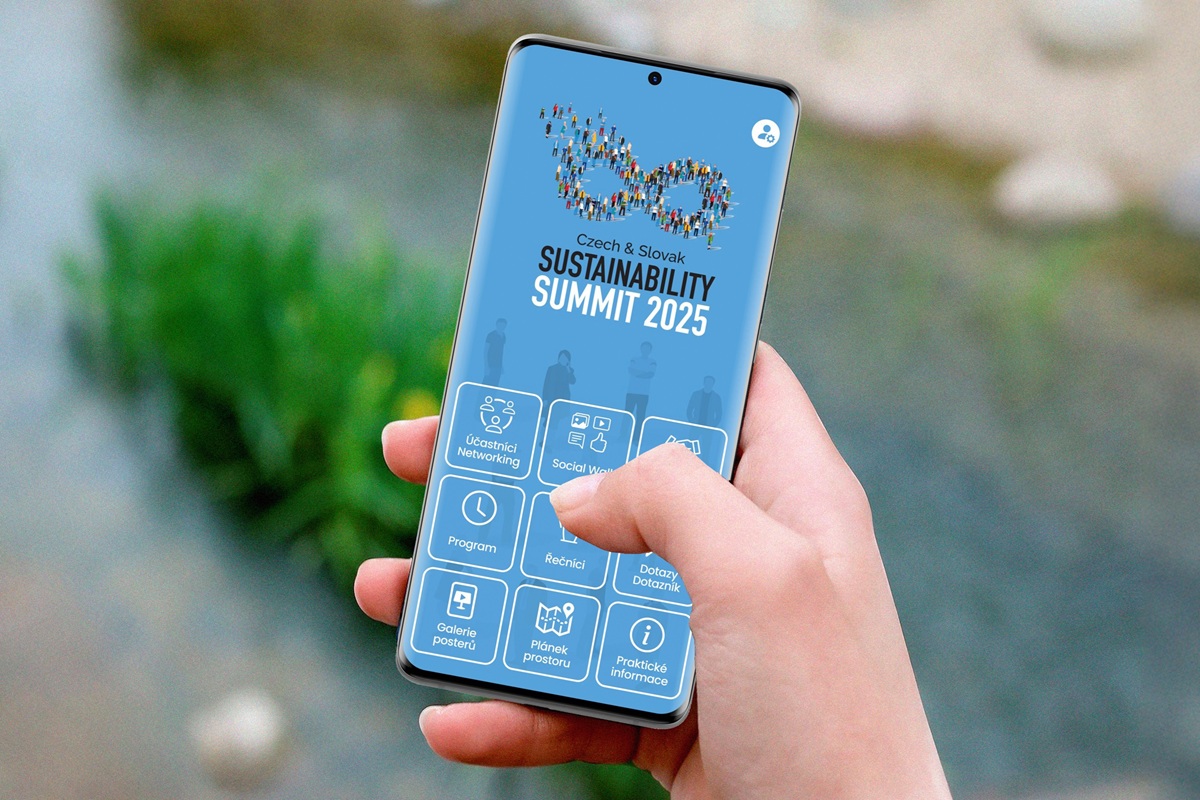
Sustainability Summit is a sprawling and packed event with hundreds of sustainability and ESG experts in the same place on the same day. So that you can better navigate the summit and make the most of your time at it, we have created a new app for the participants. Not only will it give you practical information, but it will also help participants to network and make new contacts. And most importantly, it is not only an app for the day of the summit, but it will help you to stay in touch with Sustainability Summit throughout the year, right up to the 2026 edition.
Check out the concrete functions of the app:
- Účastníci Networking (Participants networking) – a list of all participants of the event with the chance to contact those who have downloaded the app
- Social Wall – the place to post your selfies and short texts live from the event, and to react to others’ posts
- Partneři (Partners) – an overview of the summit partners with ways to contact them directly
- Program – the full program of the summit at your fingertips, and direct links to the video recordings of the presentations and discussions after the event
- Řečníci (Speakers) – the CVs of the dozens of sustainability and ESG professionals who will inspire you throughout the day
- Dotazy Dotazník (Questions Questionnaire) – during the summit it is a place to ask questions of the speakers, while after the summit the link to the post-event questionnaire
- Galerie posterů (Poster Gallery) – information about the 25 posters of sustainable projects on display at the event
- Plánek prostoru (Map of the venue)
- Praktické informace (Practical information) – how to find the venue, transportation options, the sustainability of the event and its participants, the chance to measure your own carbon footprint, an invitation to next year’s event, plus contact to the organizers.
The app is active all year round and can be downloaded here:

https://play.google.com/store/apps/details?id=tri.gcon.susu2025

https://apps.apple.com/cz/app/sustainability-summit-2025/id6743682363
Making new contacts at the stands of partners
The Sustainability Summit is supported by dozens of partners from across the business spectrum. Some are there because they offer sustainable products, advices or solutions, while others simply want to show their support for the implementation of sustainable practices on the Czech and Slovak markets. In any case, the breaks are the perfect time to meet the partners at their contact places.

Experience electromobility first hand with Kia
Are you a fan of electric cars and want to test the latest model? Or are you a late-comer to electromobility and would like to try it for the first time? Take advantage of the opportunity during the Sustainability Summit.
Visit the Kia stand and discover the new Kia EV3 model, which pushes the boundaries of sustainable mobility. Book a test drive and experience the silent and dynamic movement of the future.
The stand also includes a free ESG guide to electromobility, which will introduce you to the ecological and practical benefits of electric cars.
Book a test drive at Sustainability Summit here: https://www.kiavpohybu.cz/esg/

Sustainable Café
Need a quiet place to sit for a few minutes to handle some other matters? Looking for a place to meet up with another participant for a quick chat? Take advantage of the Sustainable Café, a chill-out zone in operation the entire day. Tables will be available for the use of participants, and coffee and light refreshments will be provided. Just keep in mind that other participants could be waiting for a table, so please don’t occupy a table longer than necessary.

Meetings with the Minister of the Environment of the CR Petr Hladík
The Minister of the Environment of the Czech Republic, Petr Hladík, has confirmed his participation in the Sustainability Summit for the second year in a row. He will not only participate in the morning panel discussion, but he is also interested in meeting representatives of sustainable companies and organizations during his time at the summit.
The meetings will take place as part of the morning program of the Sustainability Summit on April 10, 2025, from approximately 9:20 to 10:40 in the VIP lounge next to the main foyer.
If you are interested in arranging a short meeting with Minister Hladík, please fill out the short form by March 31, 2025. Representatives of the Ministry of the Environment will assess the applications and provide feedback as soon as possible.
Please note: Only requests for a meeting with the Minister from registered participants of the Sustainability Summit 2025 will be considered. If you are not yet registered for the summit, you can do so here.

Commented exhibition of sustainable project posters
The goal of the summit is to present the largest number of successful sustainable projects. Because not all of the nominated projects can fit into the conference program, the organizers have included a program part often found at scientific congresses: a poster gallery of sustainable projects. Posters printed on recycled paper with detailed information about the projects will be displayed in sustainable stands during the entire day. During the lunch break, representatives of the companies will be available in person to explain the project to interested attendees and answer their questions.

Guided tour of Cubex
We have chosen the Cubex Centrum Praha as the location for the Sustainability Summit not only because it is the most-modern conference center in the Czech Republic but also because it is the most sustainable. You can read about the sustainable features of Cubex on their website, but if you want to see them first hand, take part in the guided tour of the building during the lunch break.

Sustainable Pub
A full day of inspiration in the field of sustainability will be followed by the Sustainable Pub, i.e., in collaboration with Energy Pub will provide a relaxed and informal conclusion to the day, featuring great food, drinks, and entertainment. In short, the perfect space for networking.
What can you look forward to?

Networking with other susmen and -women

Delicious vegan and vegetarian food

A sudsy mug of beer from Pilsner Urquell

Tasting of sustainable wine from gravity winery Vilavin

Live music from the group Prague Rockabilly Cats