




Poster Gallery 2025
View the posters from the third edition of the Sustainability SummitThe aim of the Sustainability Summit is to present as many successful sustainable projects as possible. Since the conference program could not accommodate all 55 nominated projects, the organizers once again included a program part that is common at scientific congresses: a poster gallery. Posters printed with detailed information about the projects were displayed in sustainable stands throughout the day. During the lunch break, the authors of the posters were available in person to present their projects to interested parties and answer their questions.
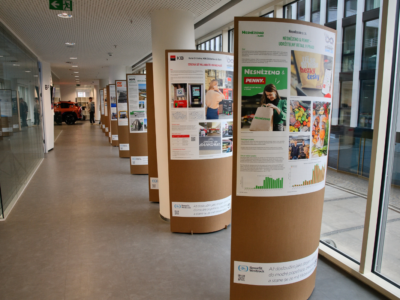
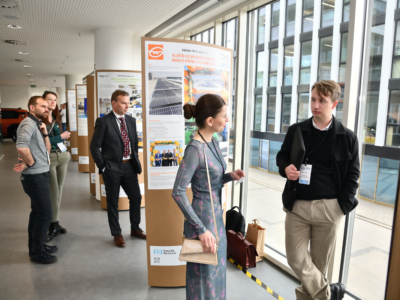
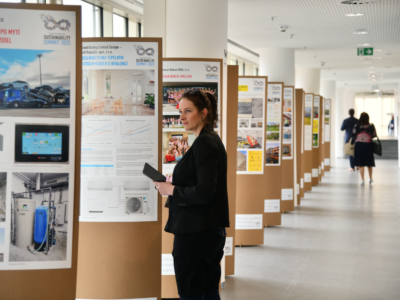
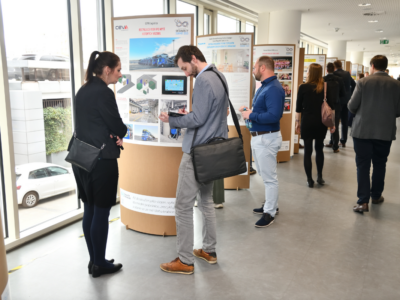
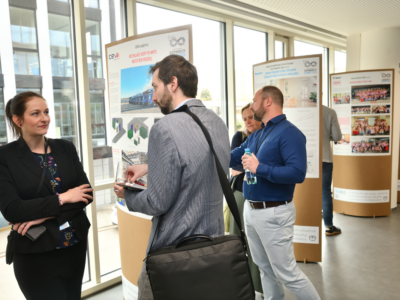
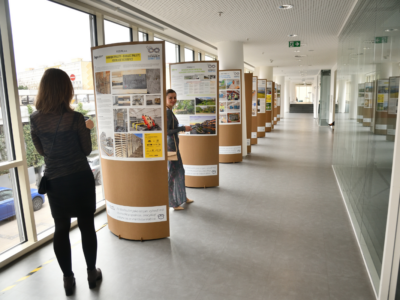
Projects displayed in the poster gallery of the third year:
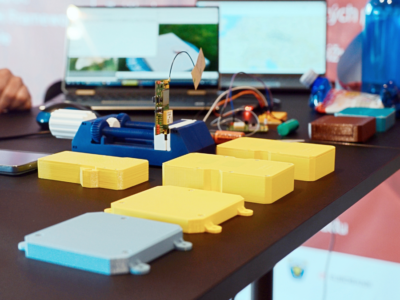
The PET bottle story – How to improve plastic recycling based on IoT data
How many plastic bottles actually make it into the recycling process? The Czech Ministry of the Environment wanted to find out what happens to PET bottles after they are disposed of in the sorted waste stream. In collaboration with Adastra Lab, it implemented a project using IoT technology to track the movement of sorted bottles to get real data to improve the entire recycling process. Adastra fitted 100 empty plastic bottles with advanced tracking chips and tracked their movements over a period of 3 months. The connected IoT platform enabled real-time tracking of the position and status of the bottles, providing a visual overview of their movement. According to the Ministry, three quarters of plastic bottles that enter the Czech market end up in the sorted waste stream. But has the tracking chip data confirmed this?
The poster can be viewed HERE.
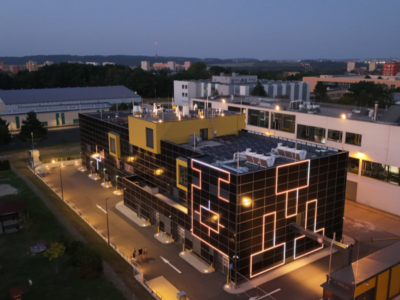
CEETe – A new polygon as a tool to achieve carbon neutrality
The project supports the transition to sustainable energy and the transformation of industry from traditional fossil fuels to modern technologies. We integrate research, development and collaboration to help businesses meet carbon neutrality and European Green Deal targets. A key component is the unique CEETe polygon, which includes thermochemical conversion technologies that enable the conversion of alternative fuels and wastes into useful forms of energy. These processes are supported by renewable energy sources and involve hydrogen and energy storage and distribution technologies. The innovative polygon includes an efficient water management and hydroponic laboratory with integrated green wall (façade) elements that promote biodiversity with a focus on the urban environment. Everything is designed in accordance with the principles of the circular economy. Thanks to its modular approach and the application of BIM (Building Information Modelling) to all components, CEETe allows rapid adaptation to the needs of the public and application sectors.
The poster can be viewed HERE.
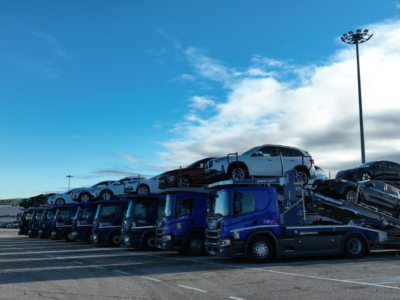
Recycling water after washing finished vehicles
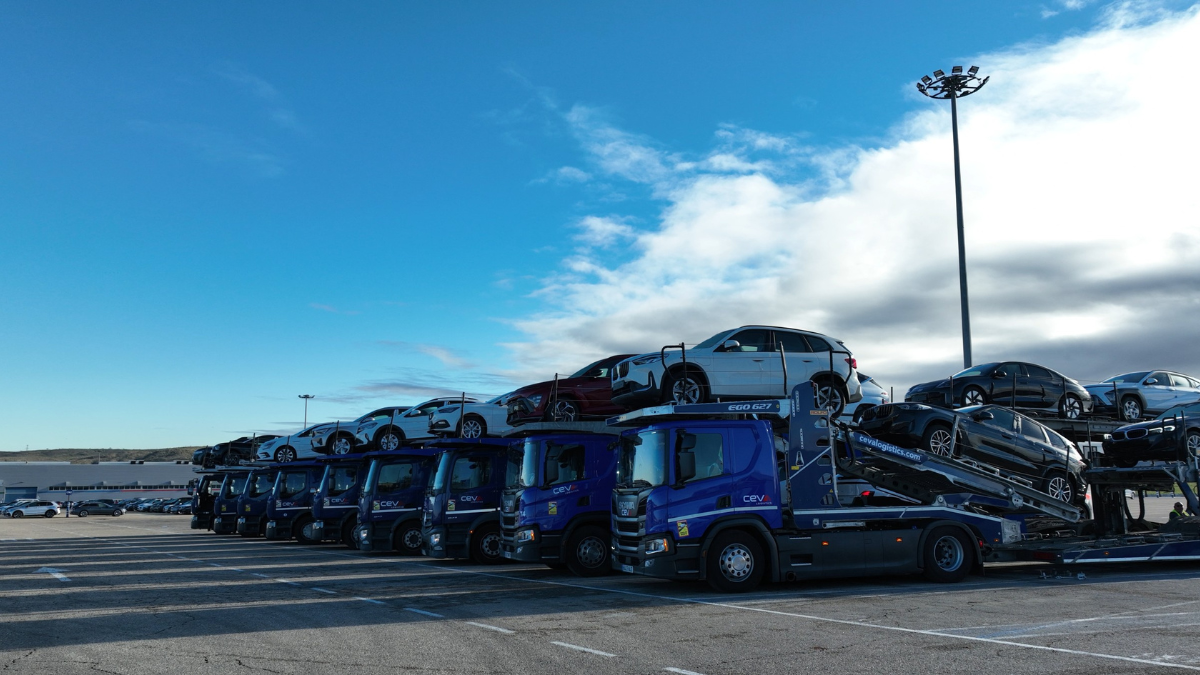
At the CEVA Logistics branch in Kolín , where we operate complete finished vehicle logistics (FVL) for our customer, including vehicle washing, we decided to invest in technology for recycling water after vehicle washing. We took this step because the consumption of water for washing finished vehicles has historically accounted for up to 77% of the total volume of water consumed. It was therefore necessary to look for ways out in view of the rising cost of water, but also because of the need to save water with respect to the environment. The implemented water recycling technology is fully automatic and thanks to it we have saved 944 m3 of water per year in operation. For comparison: before the project started, the average water consumption / VIN was 112.4 litres, and after the implementation of the project it was only 26.9 litres. However, it is not only about financial savings (the return on investment is more than 10 years with this technology). However, we believe it is an important strategic step that will motivate the search for similar sustainable solutions elsewhere.
The poster can be viewed HERE.
Statistical model of energy performance of CZ residential buildings for the Czech Republic
The project Statistical model of energy performance of CZ residential buildings for CRIF – Czech Credit Bureau, a.s. deals with the physical risk model of CRIF S.p.A. and RED S.P.A., which is designed to predict and prevent increasingly frequent chronic and acute environmental changes, from floods to storms, to which fixed assets such as real estate are more sensitive than other types of assets. In fact, physical risks related to extreme weather events threaten the value of collateral for banks and thus increase insurance claims for insurers. The project also focuses on the statistical model of the building energy performance certificate (PENB), which is completely missing in 90% of residential properties in the Czech Republic. This model is particularly suitable for banks and real estate brokerage networks or portals focused on advertising the purchase and sale of real estate.
The poster can be viewed HERE.
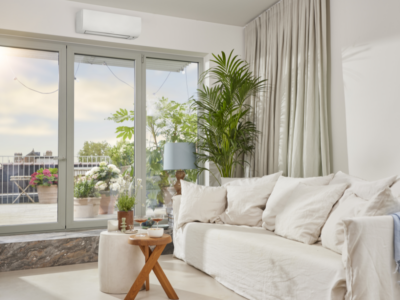
Fossil gas savings with air-to-air heat pump with bivalence
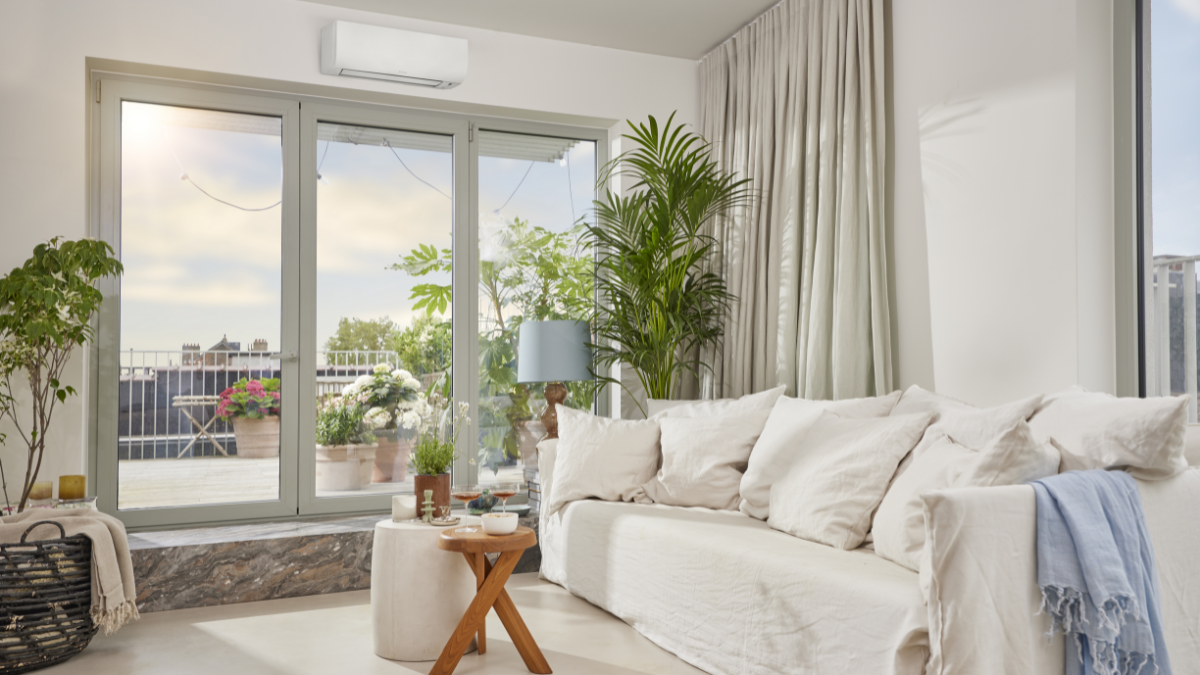
The elimination of fossil fuels in family homes is one of the key steps towards sustainable energy and reduced greenhouse gas emissions. This project shows the transition from gas heating to an air-to-air heat pump as the main heat source. Gas continues to be used in the house as a bivalent source during extreme cold. This combination results in energy savings, reduced CO₂ emissions and lower operating costs. According to EnergySim’s calculations, a typical family home with a heat loss of 12 kW and a gas boiler consumes a total of 27 MWh of energy and emits 5.35 tonnes of CO2 per year. The annual energy payment is around CZK 58 800.
The addition of an air-to-air heat pump (i.e. a Daikin Perfera multi-split air conditioner in a 5 indoor to 1 outdoor unit design with an output of 6.29 kW) will result in annual savings:
- 21 MWh of energy per year (-76%) ,
- 1 990 m3 of gas(-98,7 %),
- 2,25 tonnes CO2 pre year (-42 %) and
- approx. CZK 20 000 (depending on current gas and electricity prices).
The poster can be viewed HERE.
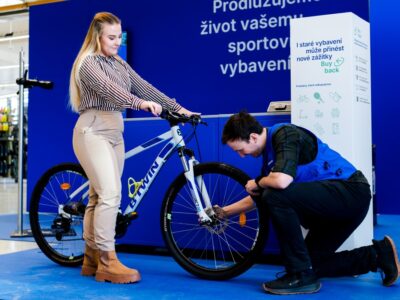
Buy back – Even old equipment can bring new experiences
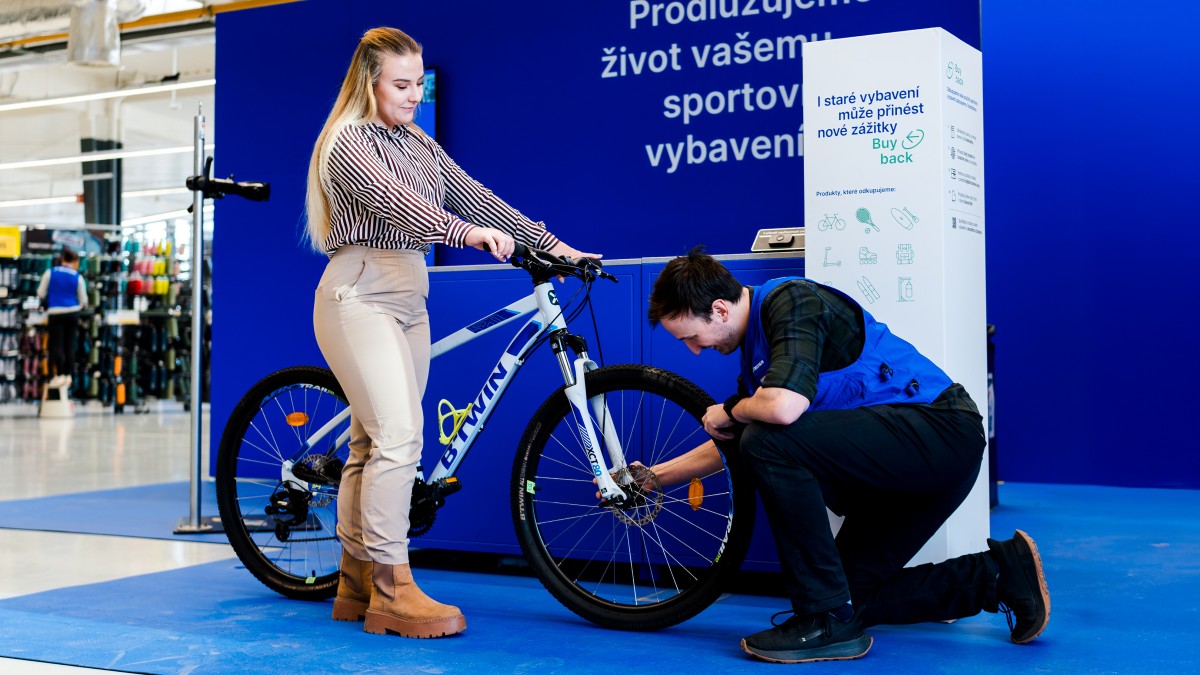
The Buy back service, which was launched in the Czech Republic in 2023, represents a new approach to the use of sports equipment that customers no longer use. It is a solution for used sports equipment that is still functional and safe, but which only bears signs of use from the original athletes. Thanks to this service, products that would otherwise end up unused can get a second chance and return to circulation. As part of the Buy back service, more than 600 products from several sports categories were bought back in 2023. This growth continued in 2024, when more than 4,000 products from a total of nine sports categories were returned to offer to athletes who were able to buy them at more favorable prices. The Buy back service not only contributes to sustainability and the circular economy, but it also offers customers a practical alternative to purchasing new products. The service complements the company’s other services (Repair & maintenance, Rent and Second life) and contributes significantly to its circular business model.
The poster can be viewed HERE.
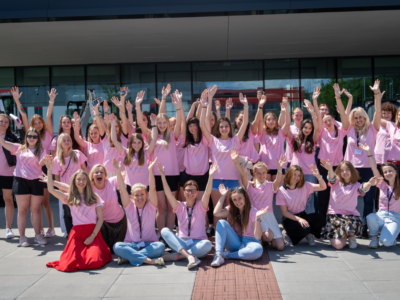
Doosan Bobcat Girls Day
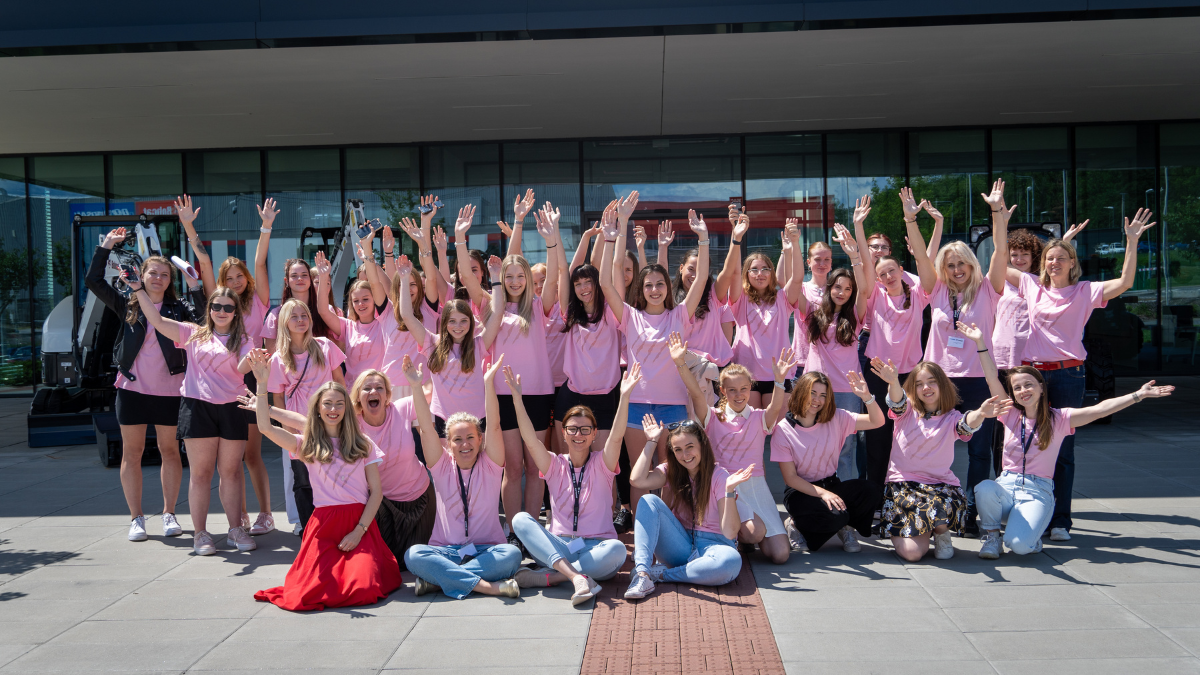
Girls Day is a development initiative of Doosan Bobcat EMEA that supported 31 high school girls in their personal and professional growth. The aim of the event was to break down stereotypes, boost girls’ confidence and inspire them to actively shape their own career paths. The program consisted of interactive workshops focused on redefining leadership, self-presentation using the power of stories, creating elevator pitches, working with time and energy, and discovering one’s own strengths. There were also practical recommendations on how to impress recruiters and become a talent in their eyes. The personal journey of Martina Turpin, Recruitment Manager at Doosan Bobcat EMEA, was inspiring as she shared her practical experience. The participants gave the event a rating of 4.78 out of 5 stars and more than half of them expressed interest in the follow-up mentoring programme “WE DO”.
The poster can be viewed HERE.
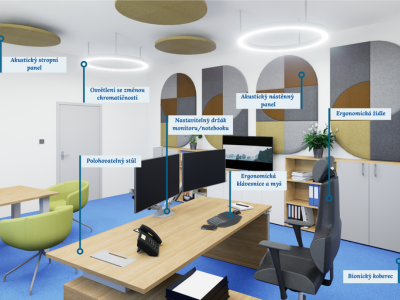
Sustainable realization of ergonomic interior of EFTEC Zlín
The EFTEC Zlín project represents an innovative approach to sustainability and ergonomics in office spaces. It focuses on saving electricity through smart lighting and upcycling office furniture, effectively reducing operating costs and the ecological footprint. By integrating modern ergonomic solutions such as adjustable desks and optimal lighting, Eftec, a.s. promotes employee health and productivity. This strategic approach demonstrates that sustainability is not just a trend, but an effective solution that delivers concrete economic and environmental benefits.
The poster can be viewed HERE.
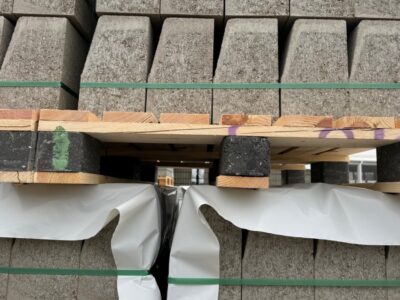
Hybrid Pallets – Evolution of the Pallet, Revolution in Logistics
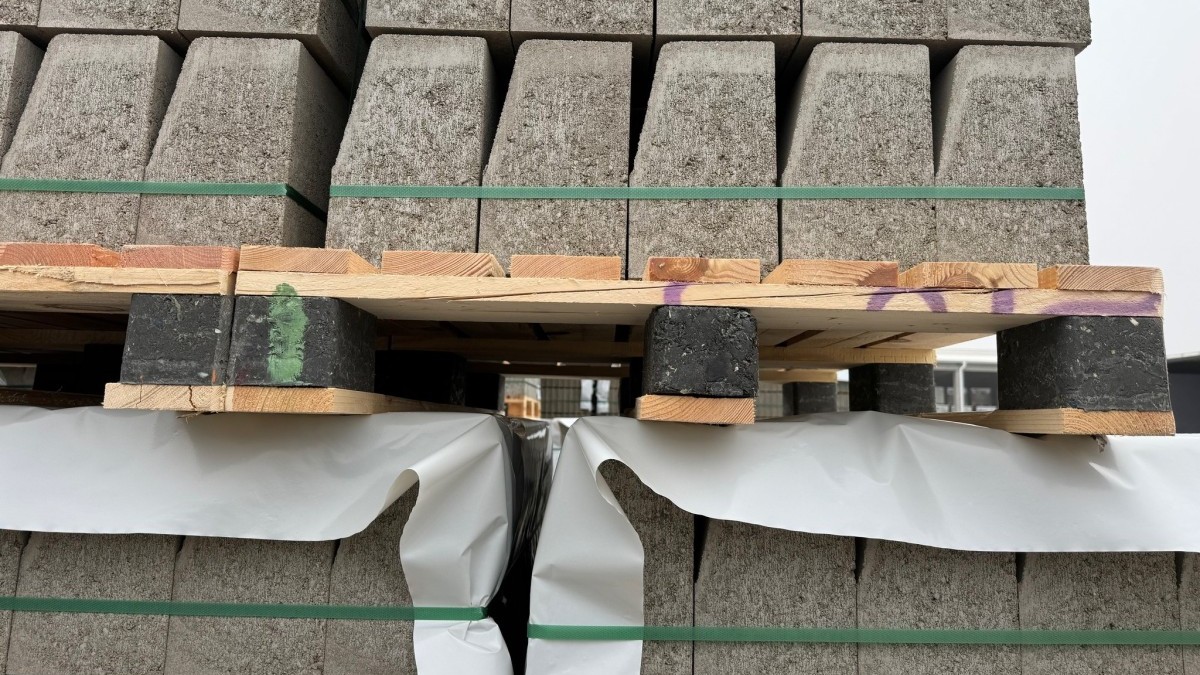
The FLEXIPAL project provides a solution for using mixed plastic waste (rejects) to produce pallet blocks, thereby reducing the amount of waste ending up in incinerators. These recyclable elements replace wooden components in pallets, thereby extending their lifespan and increasing their durability. The company processes 5,000 tons of plastic waste annually. The hybrid pallet is stronger than a regular wooden pallet, resists water seepage, and has more than double the lifespan. Used plastic blocks can be recycled repeatedly – undamaged ones can be reused, and damaged ones are ground up and reshaped into new ones. Currently, hybrid pallets save 30% of wood, which corresponds to 15,000 m³ per year in current production. The long-term goal is to fully replace wooden components with recycled plastic. Production is carried out using electricity and waste heat from a biogas station. Within five years, the capacity will increase to 50,000 tons of processed waste per year, while approximately 200,000 tons are generated annually in the Czech Republic.
The poster can be viewed HERE.
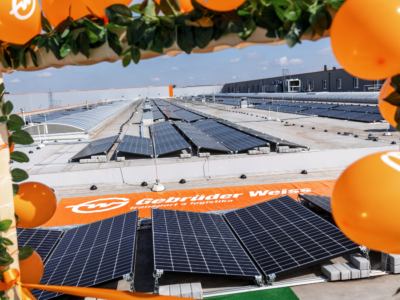
Gebrüder Weiss' largest PV plant in Central and Eastern Europe
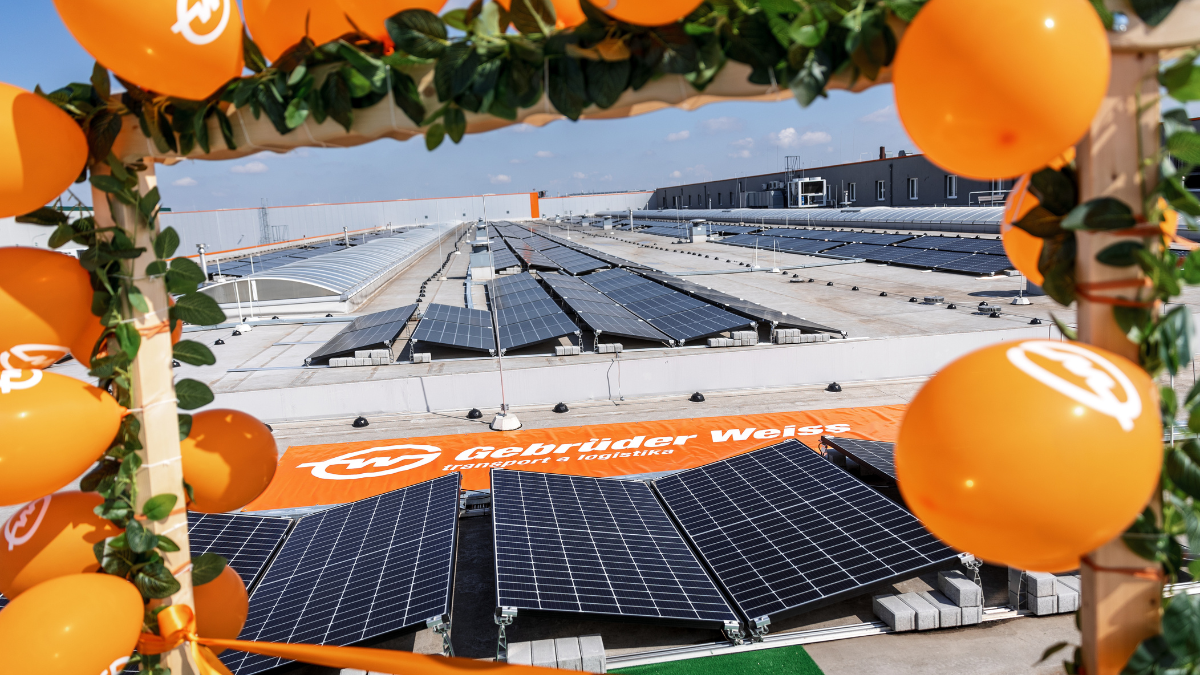
Gebrüder Weiss (GW) installed photovoltaics on the roofs of terminals in Jenč near Prague and Syrovice near Brno. It is the largest photovoltaic installation of the Gebrüder Weiss Group in Central and Eastern Europe and one of the largest in the Central Bohemia region. The PV plant was commissioned in mid-2024, has a total capacity of 1,102 MWh/year and will almost cover the consumption of all 10 GW of branches in the Czech Republic. PV is a clean and sustainable source of energy, efficiently using sunlight and reducing dependence on fossil fuels. At the same time, it strengthens the company’s energy independence, saves natural resources and reduces CO₂ emissions. 2,570 panels were installed on the roofs of both terminals. The area of the panels is 5,800 m2 and is equivalent to the size of 3 hockey fields. The total annual production of 1,102 MWh corresponds to a CO2 reduction of 250 tonnes/year. The annual production of the two PV plants would be sufficient for 367 families. Sustainability is a key value and part of GW’s strategy to achieve energy self-sufficiency and sustainability of its own logistics centres.
The poster can be viewed HERE.
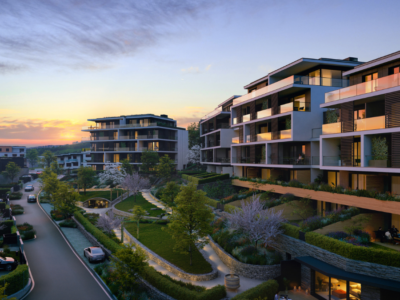
Responsible (not only) energy in the Císařská vinice residential complex
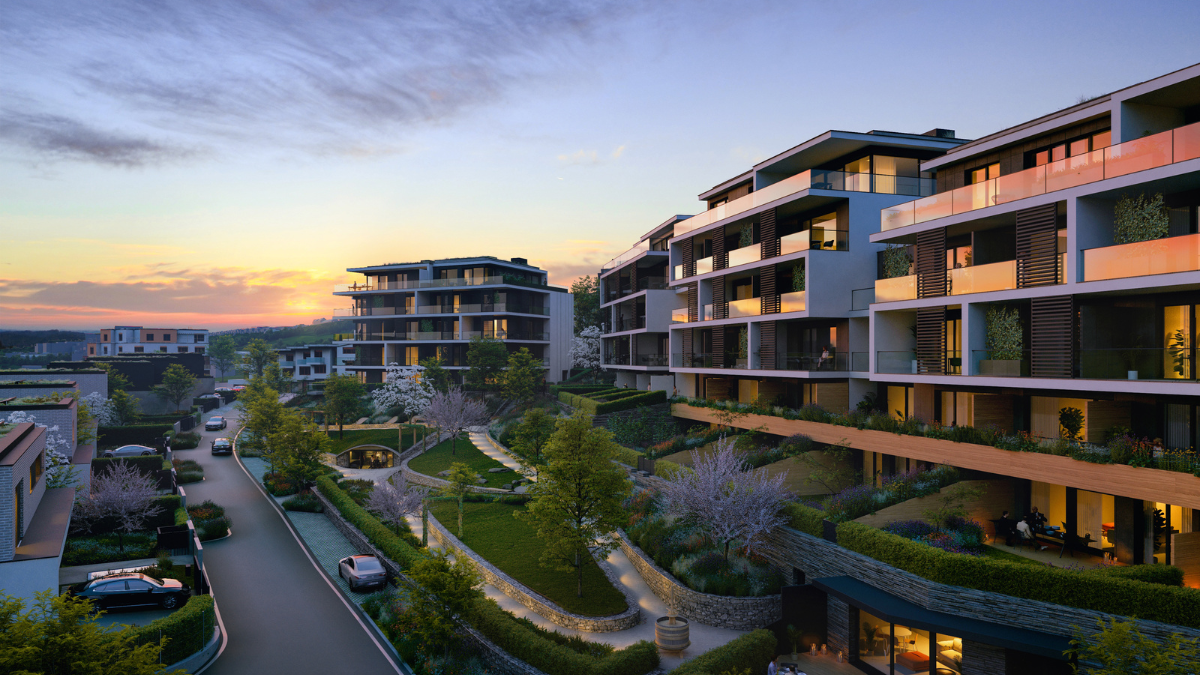
The project is so sustainable that it is also listed in the database of examples of sustainable projects. It brings a number of positives to clients. 100 kW ground source CHP with bore field, supplemented by a bi-source for peak performance, high efficiency and passive cooling almost for free, hence minimal or no energy consumption, TV preparation optimized by detailed calculation of operating conditions with hourly step and balance. design between performance and accumulation size. A high quality building envelope helps to keep heating requirements low. Air quality in the buildings is ensured by controlled ventilation, triple-glazed insulating windows including a sophisticated floor composition ensure acoustic comfort. Temperature control is solved by a technically advanced ceiling system, where cooling or heating water circulates through pipes installed in the concrete slab structure. The concrete core activation system is concealed, noiseless and does not create draughts. The green courtyard connects the community and provides space for healthy living. In addition to the passport. standard, the buildings work with HVAC, have green roofs and PV.
The poster can be viewed HERE.
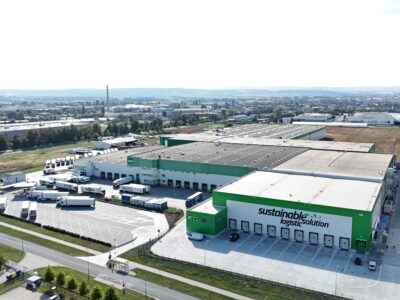
Sustainable logistics in HOPI Prostějov
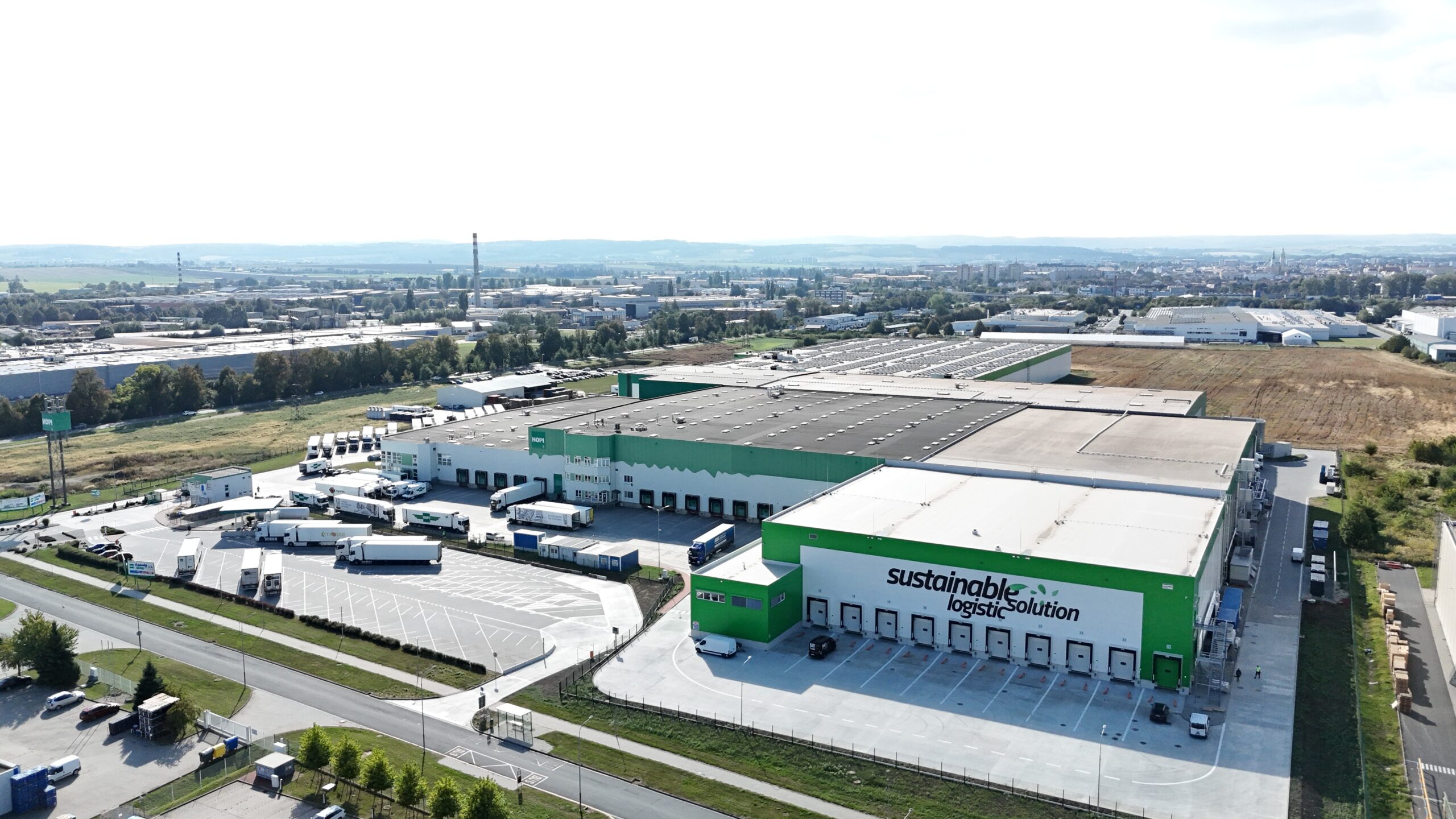
The modernisation of the HOPI Prostějov distribution centre includes sustainable solutions linking a rooftop solar power plant (1.58 MWp), battery storage (2.3 MWh), distribution of goods by fully electric truck and the expansion of the freezer with innovative, environmentally friendly cooling. The new facility can hold up to 15,000 pallets. The waste heat released from the freezing units heats the domestic hot water with the help of a heat recovery unit and warms the office and warehouse areas. It is also used to dehumidify the freezer technology and heat the floor of the freezer. A fully electric Mercedes e-Actros 300 truck, powered by battery storage, efficiently connects DC Prostejov with partners Nestlé, Mondeléz, Kaufland and Albert. The key to success is the agreement of all parties involved to eliminate waiting times, which has led to the optimization of the entire logistics flow. Our project in Prostějov combines innovation, sustainability and efficiency – and sets a new standard for other sites.
The poster can be viewed HERE.
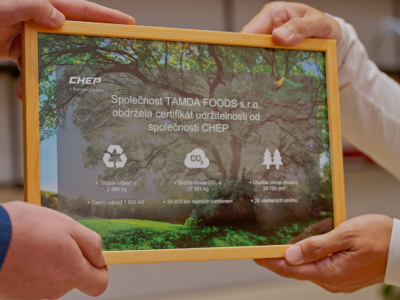
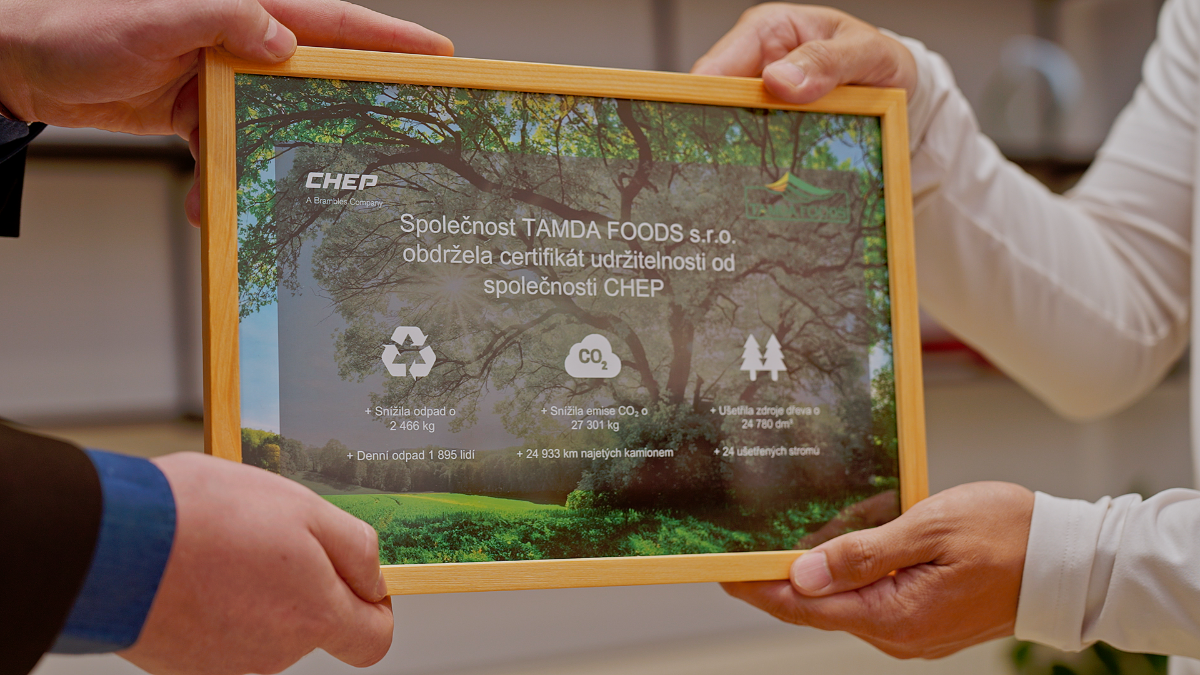
Environmental savings of TAMDA FOODS through CHEP pallet pooling
TAMDA FOODS uses the CHEP pallet pooling system, which allows it to manage logistics more efficiently and sustainably. By reusing pallets instead of disposable solutions, CO₂ emissions, waste and wood consumption are reduced. This model contributes to a more sustainable supply chain and optimises storage and handling processes. The project shows how the use of a circular approach in logistics can bring significant environmental and economic benefits.
The poster can be viewed HERE.
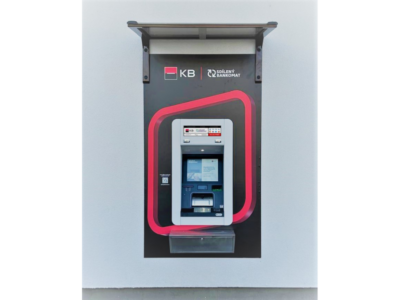
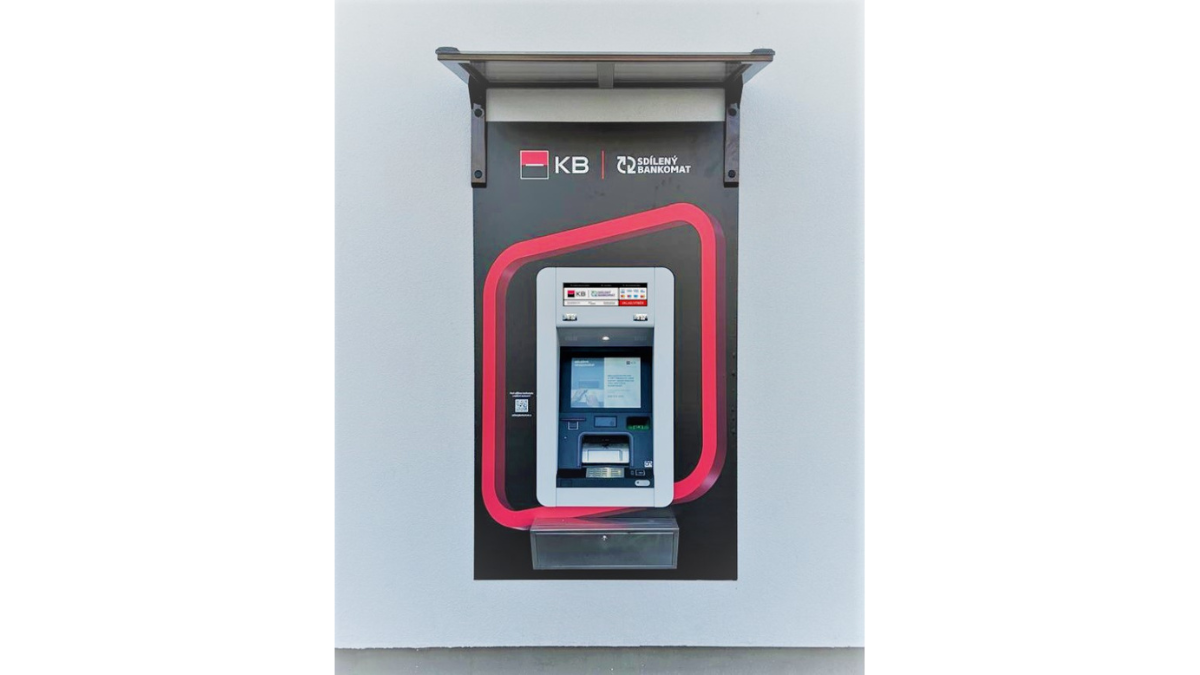
Shared network of deposit ATMs
From August 2024, customers of Komerční banka, Moneta Money Bank and Air Bank will be able to deposit cash at nearly 800 shared deposit ATMs under the same conditions as they could only deposit at their own bank. This is the next step in a joint initiative launched in February 2023, when the banks and UniCredit Bank enabled their customers to withdraw cash from a shared network of nearly 2,000 ATMs. Customers are increasingly taking advantage of the ability to deposit cash into their accounts via ATMs, which, unlike branches, are available around the clock, which is particularly appreciated by business customers. Data show that in some locations the volume of cash deposited exceeds the volume of withdrawals alone. In addition, ATMs that allow recycling of deposits also support sustainability principles. This is because the deposited money can be reused for withdrawals and there is therefore less need to fill ATMs with new cash. Together, we have decided not to burden the world by building more ATMs and, as a result, to reduce our energy consumption and carbon footprint.
The poster can be viewed HERE.
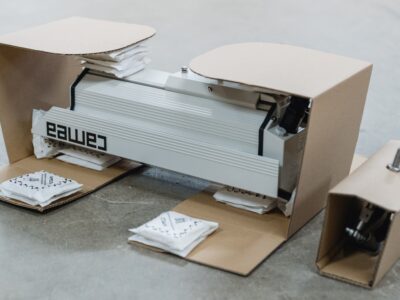
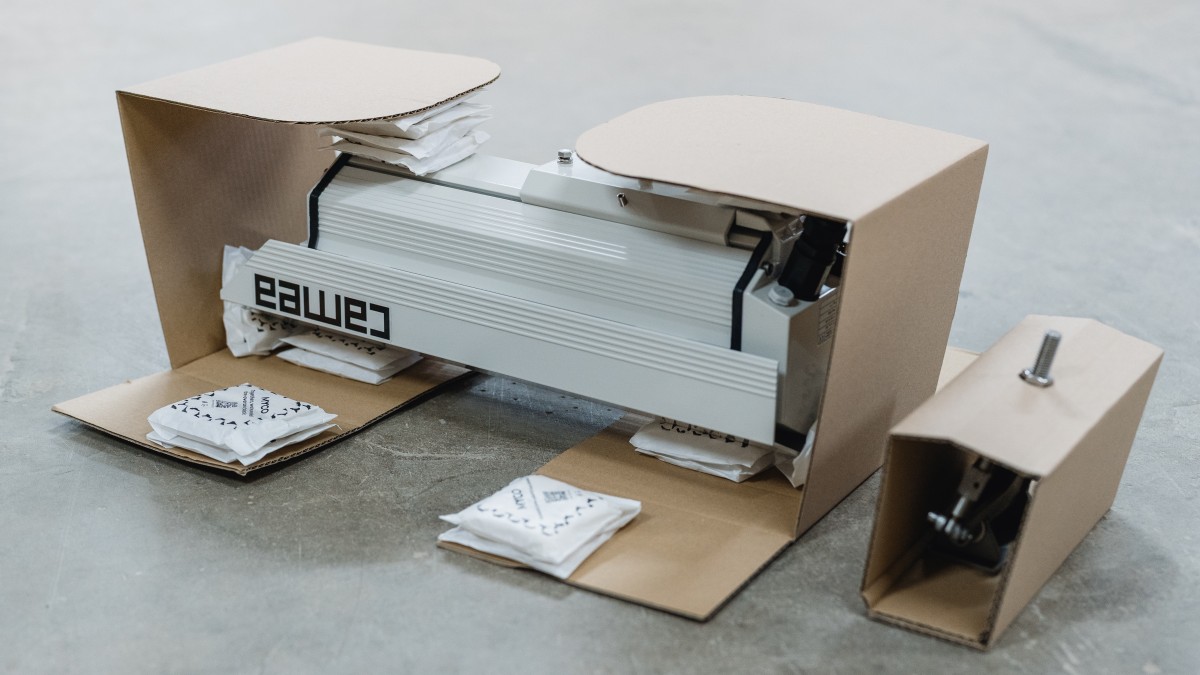
Transition to sustainable packaging solution Myco 4Pack
CAMEA, a producer of specialized electronic devices in small series, sought an affordable, tailor-made packaging solution that would also meet sustainability criteria. It approached Myco, which proposed a complete packaging solution based on the Myco 4Pack system. This system uses paper pads filled with organic waste material (sawdust) that is infested with Reishi mycelium. This causes the originally loose material to bond together to form a biocomposite that is plastically deformed, thus providing the necessary protection against impacts and shocks. These protective pads, which replace commonly used plastic foams, are applied to a cardboard blank designed to the product’s specifications. The entire package is thus completely plastic-free, easy to store, light to handle, and meets the requirements for cleanliness and aesthetics of the solution. The current solution replaced 0.12 m³ of LDPE per sensor with 0.03 m³ of biodegradable material and paper. The price of the package has remained the same, but CAMEA now receives a complete package, which saves it the cost of the work it previously devoted to producing plastic fillings. CAMEA currently uses the Myco 4Pack system for most of its production.
The poster can be viewed HERE.
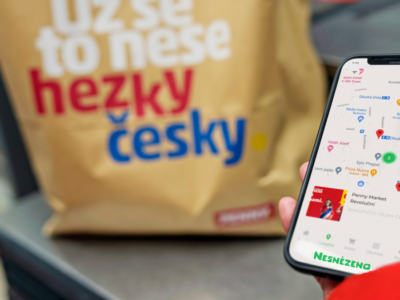
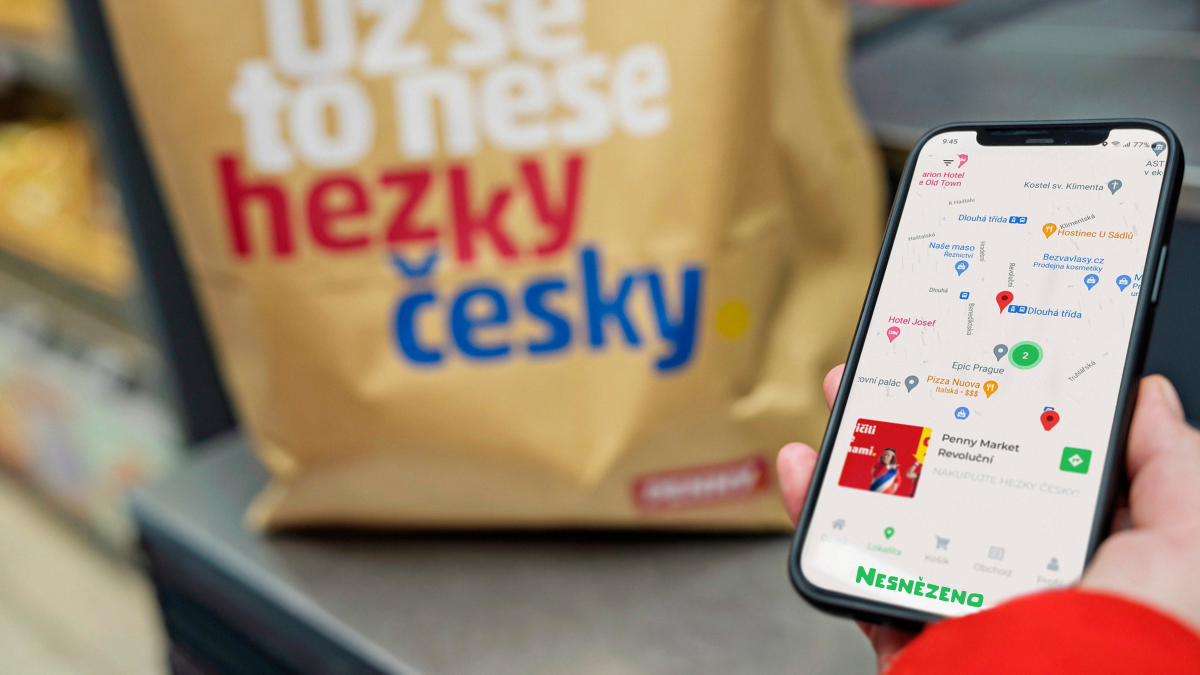
Sustainable retail in practice
In the European Union, food worth 143 billion euros is thrown away every year, causing up to 6% of greenhouse gas emissions. The average Czech family throws away food worth approximately CZK 14,000 per year. The joint project between the Nesnězeno application and the PENNY retail chain reduces food waste, supports sustainability, and combines ecology with efficient business. The project offers an innovative solution to food waste via the Nesnězeno app. Customers can buy packages of food that are close to expiration for at least 50% of the original price, choose a PENNY store, and pick up the package there. This approach reduces food waste and supports sustainable consumption. Since the expansion in March 2024, over CZK 40 million worth of food has been saved and over 20,000 customers have participated. The number of participating stores has increased from 50 to 200. Sales success remains high – over 90%. This trend confirms that sustainable business is not only possible, but also effective, beneficial, and scalable.
The poster can be viewed HERE.
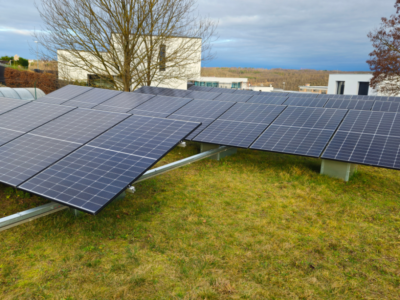
Energy self-sufficiency – Part of Veolia's sustainability strategy
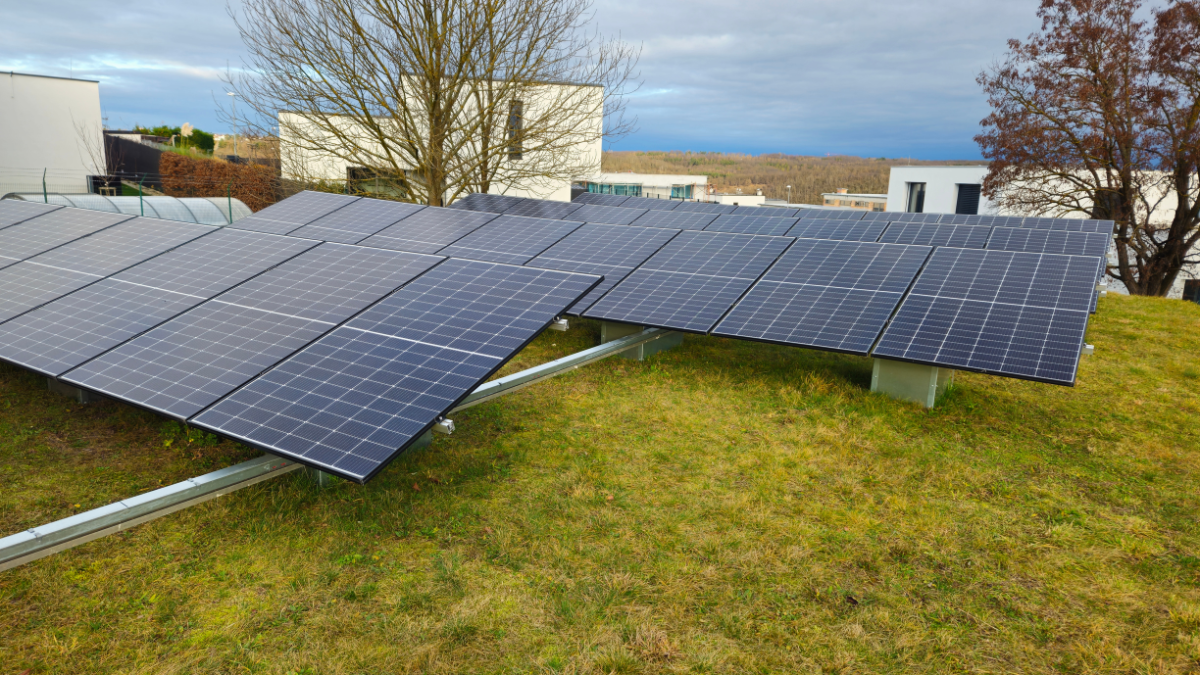
By implementing energy-saving measures, VEOLIA is getting closer and closer to its long-term environmental goal of increasing the share of RES in energy consumption. In the spirit of the commitment to the Climate Plan (to achieve the highest possible energy efficiency by 2030), operational facilities suitable for the installation of PV plants, CHP units, heat pumps, energy-efficient lighting, etc. are selected. The effectiveness of the energy-saving project is monitored and may be implemented in other facilities in the future. In preparation for implementation in future years is the installation of PV in other premises including the roof of NVL ÚČOV Praha. Due to the placement of PV plants on the roofs of water reservoirs covered with species-rich grasses, we are also investigating the possibility of planting suitable plant species and the methodology of their maintenance. This is an innovative approach; so far no one has systematically addressed the issue of planting biodiverse lawns under PV plants.
The poster can be viewed HERE.
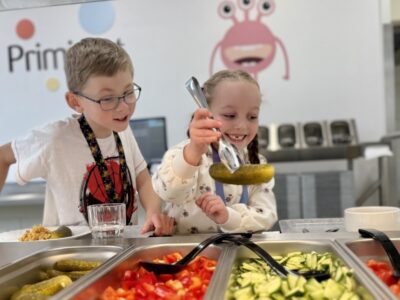
Self-service waste-free school restaurant Primirest in Tanvald
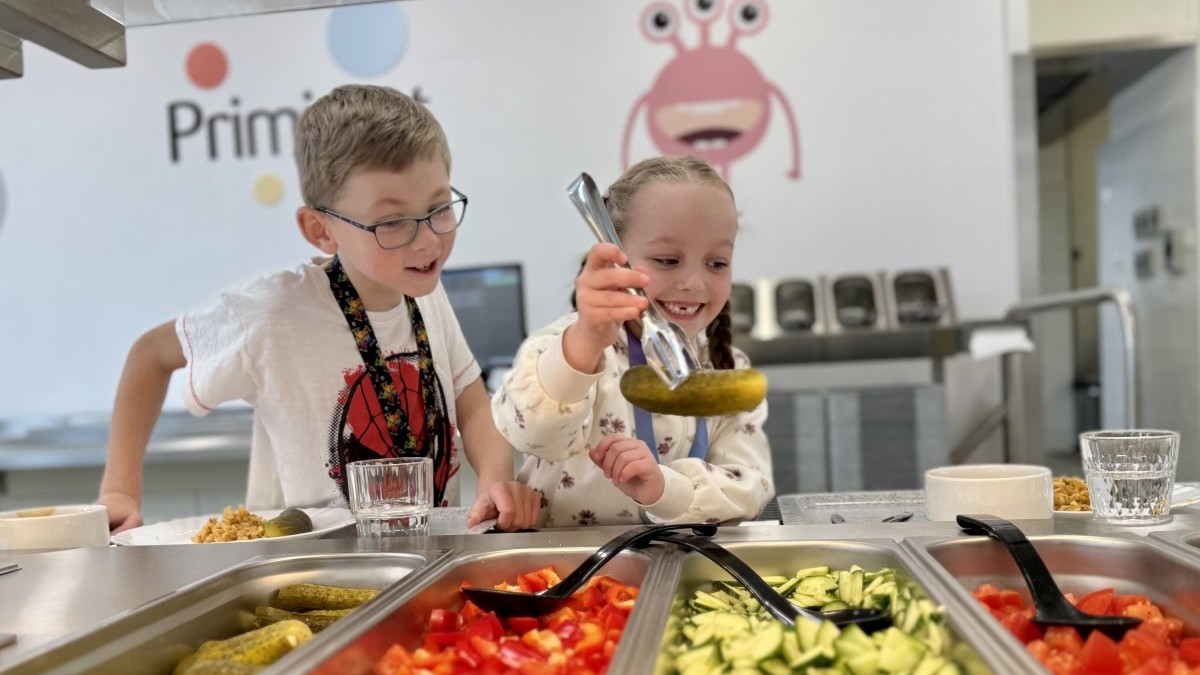
The self-service waste-free school restaurant Primirest in Tanvald is a completely unique project on the local market. Its aims are to increase comfort, i.e., eliminate queues, offer a more varied offer, where the diner freely decides on his or her portion, while at the same time bringing a significant reduction in waste and a more efficient use of raw materials. It connects the efficiency and long-term sustainability of the gastronomic operation with understandable education of the diners to a responsible approach to eating and not wasting food. The largest school restaurant in this system serves up to 500 pupils, and in total the Primirest school kitchen in Tanvald provides lunches for 800 pupils from three schools every day, as well as for the public at three distribution points. Lunches are prepared only on the basis of a binding order from the diners, with an emphasis on the consistent use of all raw materials and minimization of food waste during production. Lunches are served in a self-service format where children help themselves to portions – as many as they actually eat. Unserved meals are donated transparently through the Save Food organization to the local community and people in need, while leftovers from plates and bio-waste from the kitchen are processed in an electric composter. High-quality compost is used to cultivate the school’s greenery. The entire system teaches diners a responsible approach to eating – go ahead and have seconds, but never throw anything away.
The poster can be viewed HERE.
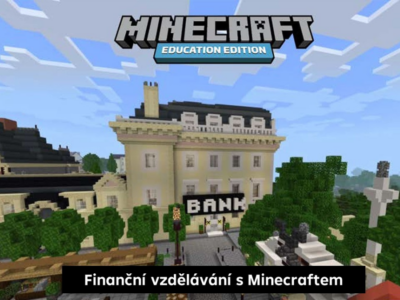
Minecraft – Developing financial literacy and cyber security
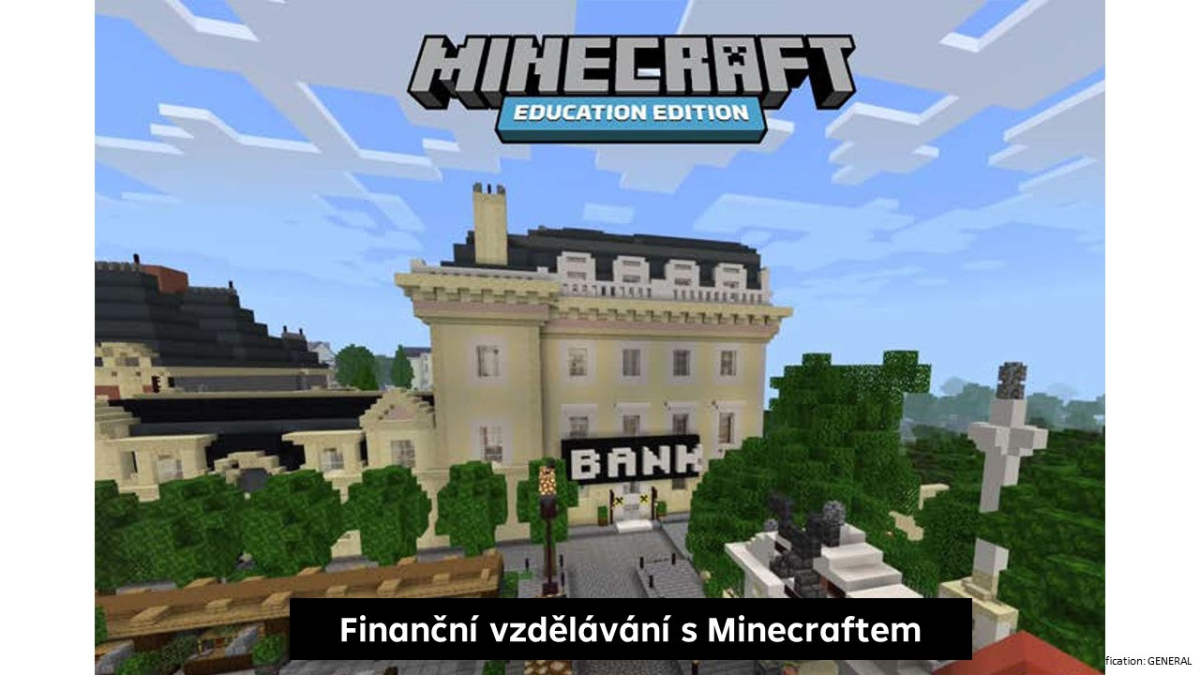
Raiffeisenbank introduces a new project aimed at promoting financial literacy and cyber security education in the Minecraft Education environment. The game “My Financial Adventure” combines fun and learning, thus representing an effective way to increase financial literacy among children aged 8 to 15. Dealing with money, acquiring healthy financial habits and cyber security are some of the key skills for children and teenagers that play an important role in their adult life. The game is designed as a series of four stories/games that can be played during a school lesson or can be played by anyone on their own. Each story has specific game mechanics and interactive challenges to help children better understand specific topics: interest rates and how banks work, understanding budgeting and saving, cyber security (phishing, online scams, secure passwords), the value of money and money management.
The poster can be viewed HERE.
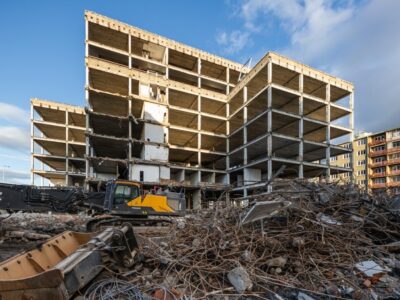
From Merkuria to Mercury – The Path to Sustainable Demolition
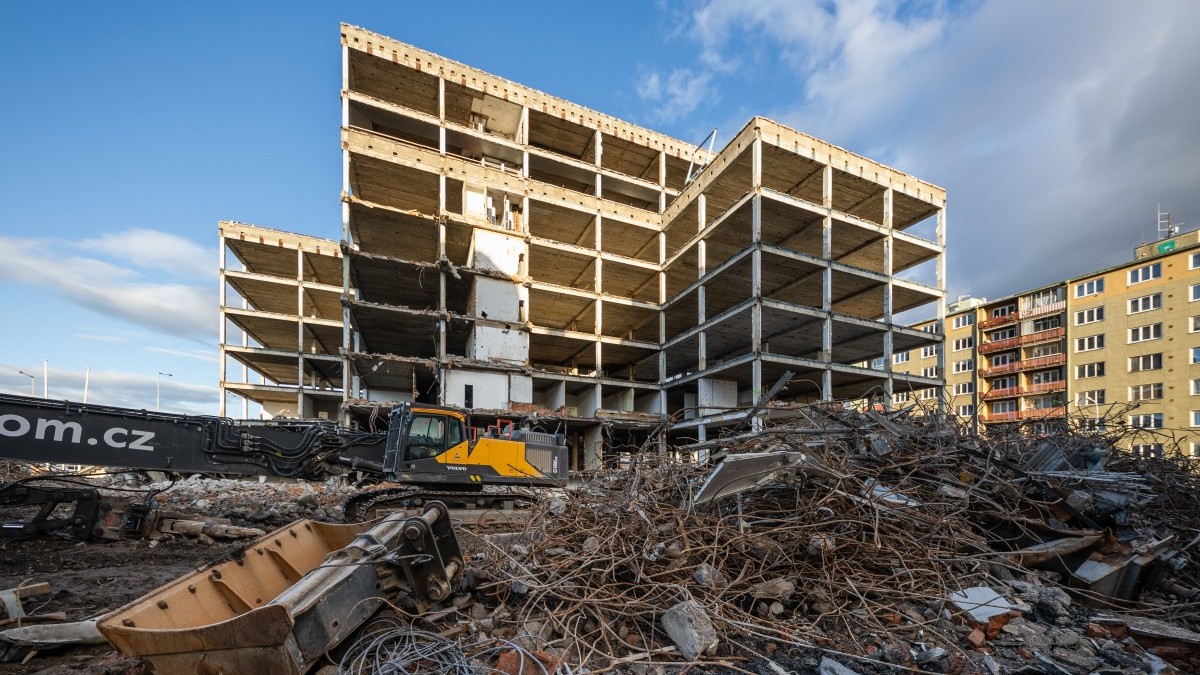
Construction waste accounts for up to 40% of the world’s waste, with most of it ending up in landfills. This project – the demolition of the brutalist Merkuria building in Prague-Holešovice – was the first in the Czech Republic, and for that matter in all of Central Europe, to transform demolition into sustainable “remolition”. Of the total 18,626 tons, 97% of the materials were recycled, significantly exceeding the legislative requirement of 70%. (The remaining 3% were materials that are now banned or contain hazardous additives that made recycling impossible.) Concrete (10,911 tons, 58%) was partly used in the production of new concrete, while metals (1,013 tons, 5%), glass (95 tons), and wood (57 tons) also found other uses. The company aims to maximize the use of recycled materials in the construction of the new Mercury building, thereby closing the circular material cycle. The remolition reduced CO₂ emissions by 5,967.9 tons (equivalent to the construction of a 65-unit apartment building), while the costs remained comparable to those of traditional demolition. The project inspired other companies to approach Skanska for education and collaboration. Thanks to its partners, Skanska set up a process that can be repeated in other projects. It showed that a sustainable approach to construction is not only possible, but it also makes economic sense.
The poster can be viewed HERE.
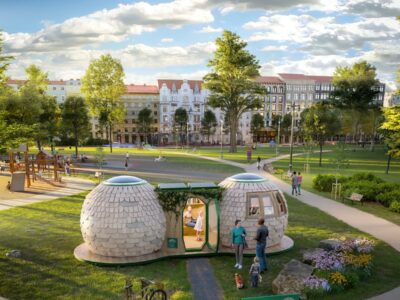
SAMOROST by Buřinky – Implementing the subsoil into sustainable construction
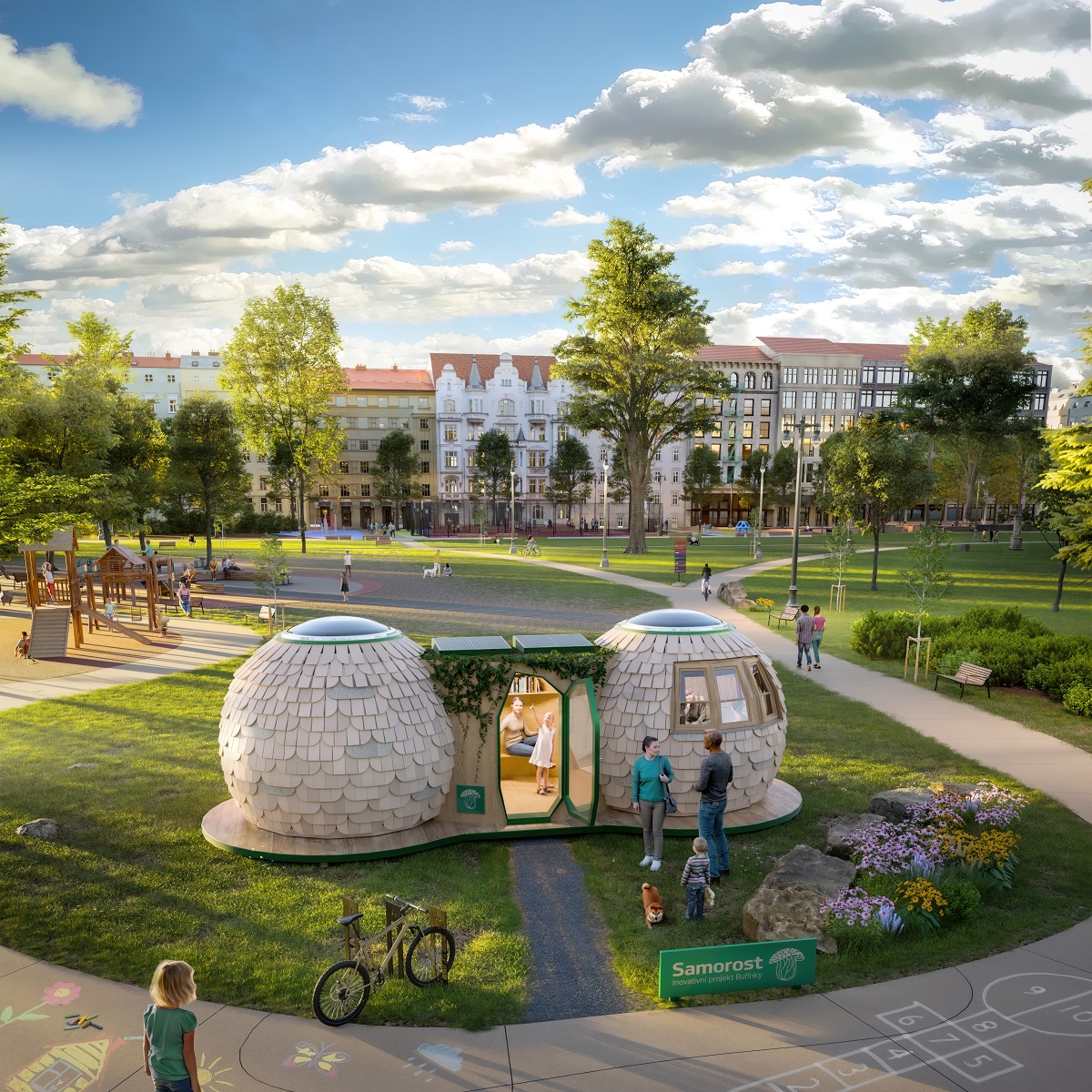
The SAMOROST project was launched in 2023 with the aim of developing an innovative and completely sustainable building material based on mycelium. It is part of the innovative projects of Lilac, which sees huge potential in mycocomposite and the future of modern, especially sustainable construction. Testing has confirmed its potential to fully replace polystyrene, especially as thermal insulation for buildings. Sustainability and circularity of the material is a central theme. It is also reflected in the choice of substrate from which the material is produced. We use waste containing cellulose (sawdust, cardboard and also non-recyclable paper). As a demonstration of its use in practice, we have made it into a SAMOROST house.
The SAMOROST house will be on display this year:
Prostějov: 12-16 April, T.G. Masaryk Square
České Budějovice: 12-16 May, Přemysl Otakar II Square
Jihlava: 26-30 May, Masaryk Square
Pardubice: 2-6 June, Automatic mills
The poster can be viewed HERE.
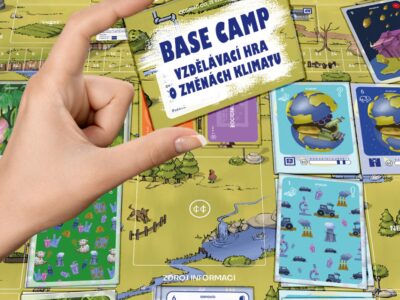
BASE CAMP – Gamification of Climate Change Education
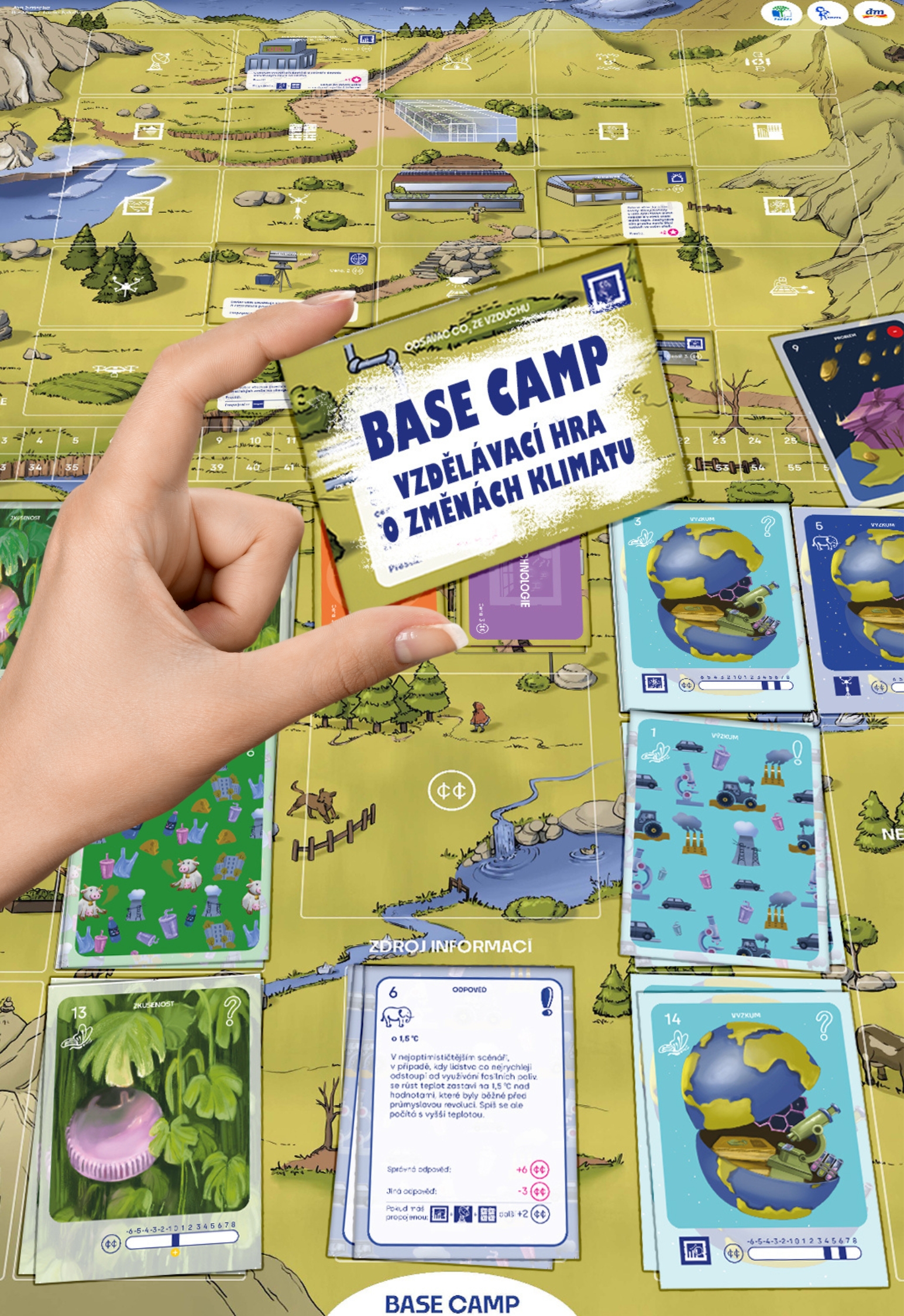
BASE CAMP is a unique board game and interactive workshop that brings a whole new way of learning about climate change. Players become scientists building a research base where they gain prestige for finding answers to complex environmental questions. This original combination of gamification and education boosts memory up to 25% more effectively than conventional teaching methods, while developing critical thinking, strategic reasoning and teamwork. The project was created thanks to a unique partnership between dm drogerie markt and the TEREZA Education Centre. In the two years of its existence, more than 6,000 students have gone through the game and, thanks to BASE CAMP, have acquired key knowledge, deepened their awareness of the climate context and found the motivation to act sustainably. In 2024, it was awarded among the top four projects in the Education category of the SDGs Awards, confirming its quality and effectiveness. Indeed, BASE CAMP is more than a game – it is a tool for education and mindset change.
The poster can be viewed HERE.
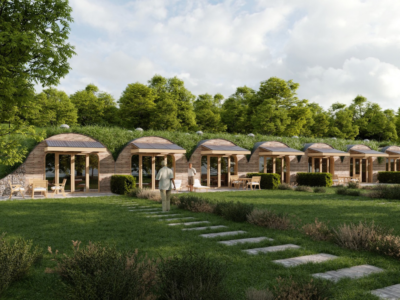
Cherish – Community Housing For Elderly Resilience Integration Sustain
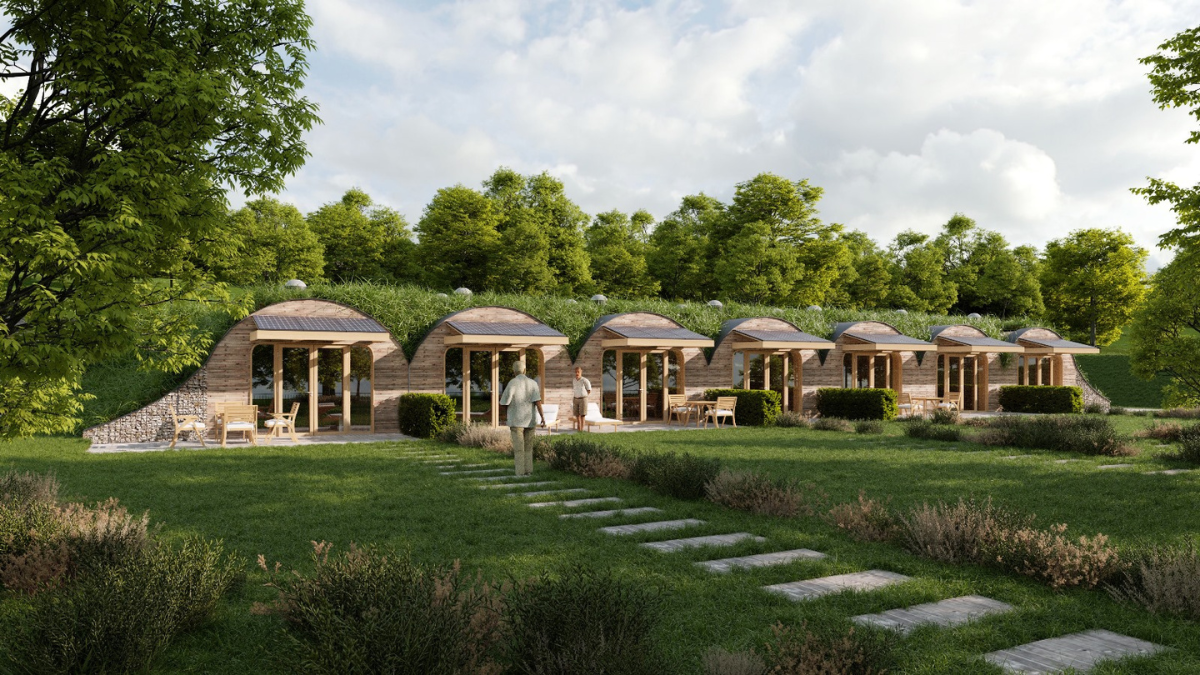
MIRdesign brings a new type of living that combines sustainability, self-sufficiency and affordability. These are innovative wooden buildings with modular concept that can be easily stacked and adapted to suit your needs – whether they are family homes, community centres or social facilities. The building is designed with an emphasis on efficient use of space and ease of implementation in a short timeframe. Thanks to its low operating costs and optimised construction, it represents an economical and affordable solution for modern housing. MIRdesign emphasizes sustainability in all aspects of design and implementation. The structure is made up of more than 95% renewable materials – mostly wood – minimizing the carbon footprint and energy used to manufacture the structure. Compared to conventional masonry buildings, MIRdesign units produce many times less CO2 emissions. The buildings are designed to be energy and water self-sufficient – they use photovoltaics, heat pumps, water recycling systems and can be supplemented with aquaponics where appropriate. Backfilling the building with soil ensures a stable indoor microclimate without the need for air conditioning even on hot summer days. Each unit comes with a full range of interior fittings including a kitchen, bathrooms, built-in furniture and a smart storage system. Thanks to these MIRdesign offers comprehensive, affordable, environmentally friendly and fully functional solution that meets current and future demands for quality housing. MIRdesign not only focuses on technically advanced and sustainable building solutions, but also emphasizes the social dimension of architecture. We believe that quality and dignified housing should be accessible to all – including socially vulnerable groups or the elderly. We want to offer these target groups a safe, comfortable and affordable environment that promotes self-sufficiency and interpersonal relationships. Our solution enables the creation of community units that promote neighbourhood cohesion, mutual assistance and active ageing. Thus, living in MIRdesign units is not just about design, but about creating space for dignity and quality of life.
The poster can be viewed HERE.
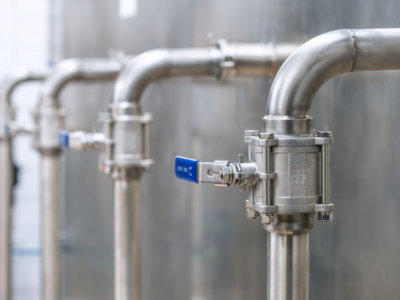
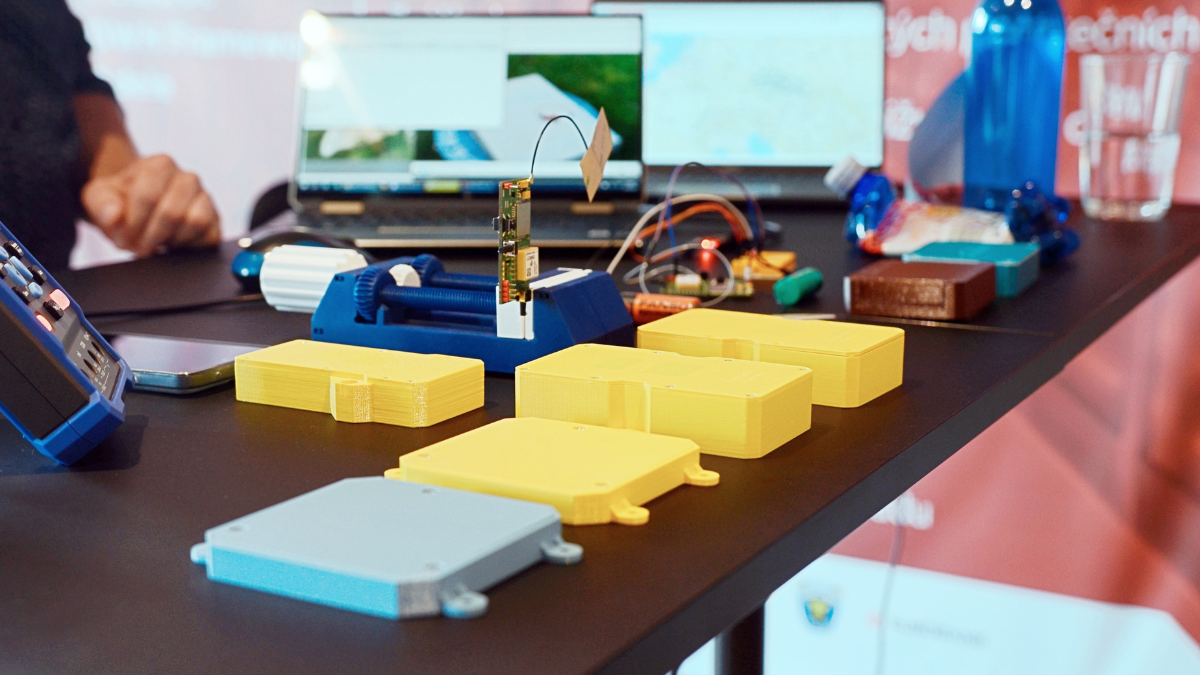
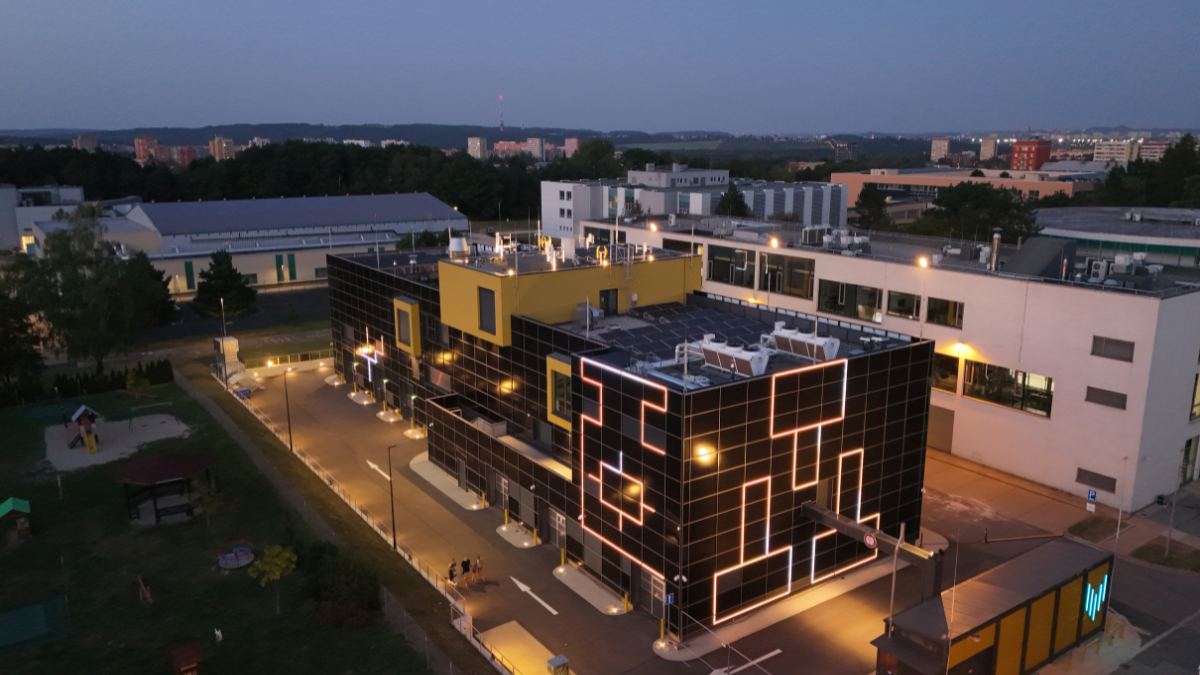
Wastewater treatment and recycling / How to save 8000 m3 of drinking water by recycling wastewater?
Water is essential for the survival and wellbeing of every individual. It plays a key role in maintaining bodily functions and overall health. In addition to its physiological importance, water is essential for sanitation, growing crops and maintaining the ecosystems on which humanity depends.
Water in several forms (whether as part of the product itself, such as injections and syrups, or as a necessary resource for manufacturing and cleaning equipment) is also a critical ingredient for the high-quality and affordable medicines that Zentiva develops, manufactures and supplies to people in the Czech Republic. Zentiva supplies 25 million packages of medicines to the Czech market each year. Each year, Zentiva withdraws up to 140,000 m3 of drinking water. Most of it is used in the main production processes, such as cooling, cleaning and scraping of alcohol columns, but also for internal consumption in the production plant. This mix depends, among other things, on the products produced. Prior to the implementation of the wastewater recycling project, all needs were covered by potable water. With the project, Zentiva reassessed existing water processes and flows and identified opportunities for the safe reuse of wastewater generated during production. The result is the recycling of more than 8,000 m3 per year by 2024.
The poster can be viewed HERE.